Speakers
Breakfast is the most important meal of the day… but who doesn’t love a mid-morning pickup? Join our Breakfast with Appeal panelists for their candid reactions to the latest Supreme Court decisions, sharing their views on what’s heating up the bench with that classic BWA flair you know and love—and all in the time it takes to enjoy a quick coffee.
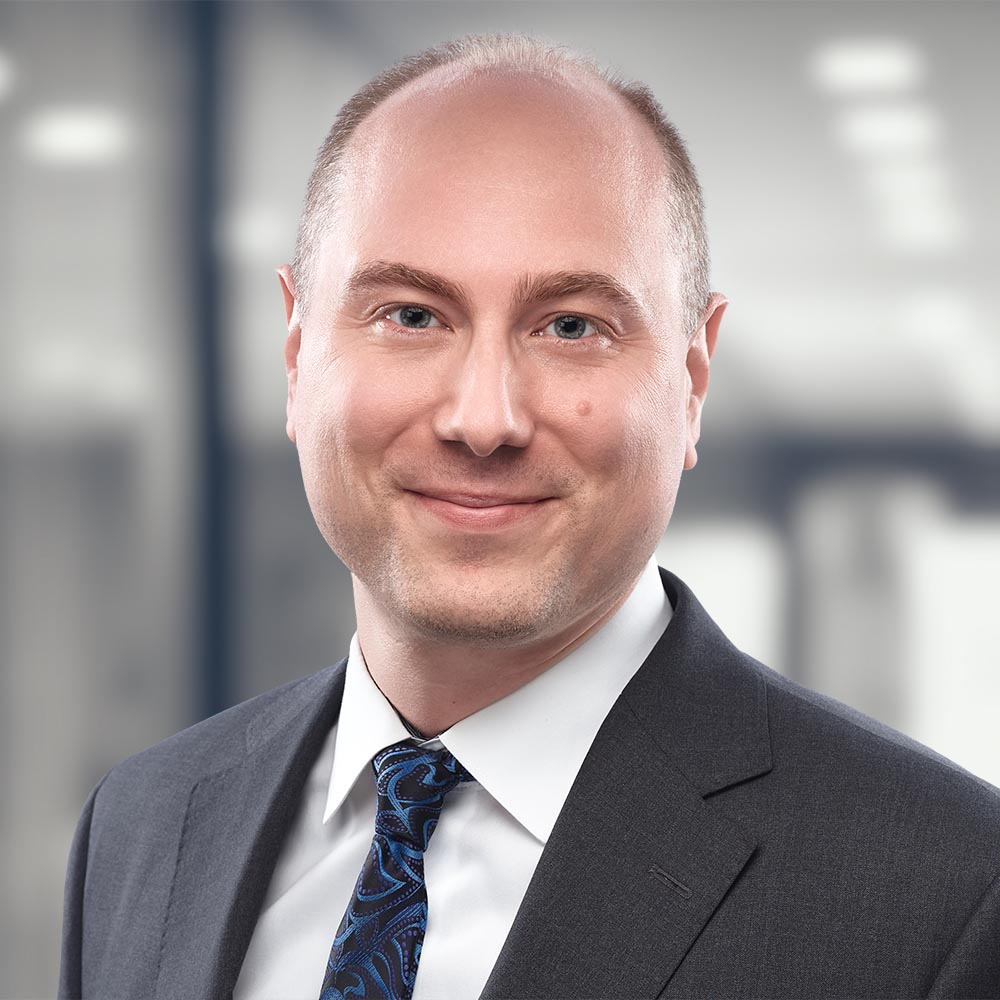
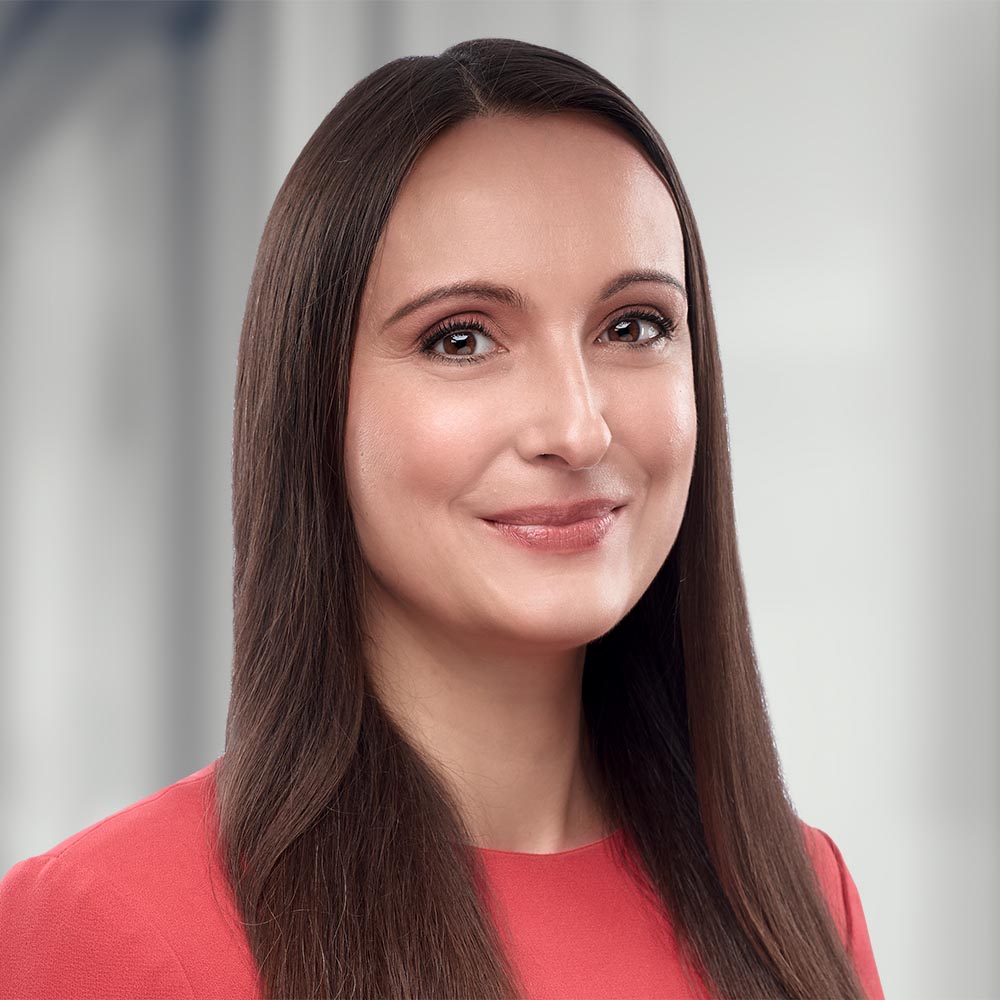
In this episode, Jeremy Opolsky and Alicja Puchta discuss the Supreme Court’s disagreement on the principles of factual causation and remoteness when determining liability.
Jeremy Opolsky (00:00:00)
Hello, and welcome to Morning Espresso, a podcast from your friends at Breakfast With Appeal, where we discuss the newest appellate decisions from the Supreme Court of Canada and beyond. I'm Jeremy Opolsky, and I'm one of the hosts of Breakfast With Appeal. Today we're discussing the Supreme Court of Canada's latest tort case in Hemmings and Padmore, 2026 SEC 34.
I'm joined by Alicja Puchta, who will help us explore the decision.
[Musical break]
As the appeal starts, this one arises from tragic circumstances. Sophia Hemmings suffered a cardiac arrest during a C-section, leaving her with severe and permanent brain damage. Claims were commenced against several of her healthcare petitioners, various OBs, the anesthesiologist, and the hospital for the conduct of its nurses, among other things.
The damages were so severe that the parties agreed that if liability was established, the damages would be set at $12 million.
On October 23rd, the Supreme Court of Canada rendered a decision, and Alicja, it's a bit of a doozy. Three decisions, 290 paragraphs, 151 pages, and we're here to unpack it a little bit.
So, before we talk about the decision, we got there through a long and winding set of facts. Do you want to detail those for us for a bit, Alicja, to start?
Alicja Puchta (00:01:13)
So, Jeremy, like you said, this is a tragic case. The plaintiff was a woman who was 29 years old at the time that this all happened, and she was pregnant. At 39 weeks, her baby had a high weight and the OB decided to induce delivery. But the induction stalled because the baby's head was too large to pass through the birth canal, and so the OB on duty, a different OB, decided to perform an emergency C-section.
The baby was delivered safely, but unfortunately something went wrong with the anesthesia. The anesthesiologist decided to switch from a local to a general anesthetic, and following that, Ms. Hemmings’ heart stopped. She had to be resuscitated, but she was left, as you mentioned, with permanent and serious brain injury. Her sister was her litigation guardian, and she sued on behalf of Ms. Hemmings for negligent treatment against a bevy of defendants: Doctor Padmore, the OB for most of the pregnancy; Doctor O'Brien, who was the OB I mentioned that was on duty and who performed the emergency C-section; and Doctor Jamensky, the anesthesiologist. The hospital was also named for nurses’ conduct and how it handled the plaintiff's records.
Damages were agreed at a large amount, like you said, $12 million. So the whole fight was about liability: who, if anyone, was responsible.
The most interesting defendant, I think, is Doctor Padmore, because he wasn't actually in the delivery room. His alleged mistake came months earlier. And I think it's important to understand the circumstances of how he was treating Ms. Hemmings, to understand his role. So, she was a higher risk patient because she was morbidly obese. And she actually first consulted Doctor Padmore for family planning purposes: she wanted contraception. After four visits, Doctor Padmore ordered a pregnancy test, and he realized as a result that Ms. Hemmings had been pregnant all along. But Doctor Padmore never raised the option of a therapeutic abortion with her, and he never advised Ms. Hemmings how risky her pregnancy was—including that the baby could grow too large, that a C-section was more likely for a patient like her, and that anesthetic complications, including cardiac arrest, were possible risks.
The trial judge found that Ms. Hemmings, if she had been warned, she would have terminated the pregnancy. At trial, both Doctors Padmore and Jamensky, the anesthesiologist, were found liable, and so was the hospital. Padmore, because he hadn't properly ordered the pregnancy test or documented her risks, and Jamensky because of the anesthetic conversion. But Doctor O'Brien, who was the duty OB, was off the hook.
Then the Court of Appeal flipped the narrative, asking if the doctor who was standing in the delivery room couldn't foresee that the anesthetic would have caused problems, how could the doctor who saw her months earlier have done so? And it, as a result, reversed the finding of liability against Doctor Padmore and the hospital. And that's how we ended up at the Supreme Court.
Jeremy Opolsky (00:03:57)
So, one of the key issues here—in fact, I would say the main legal issue—is causation. And we have a decision written by Justices Rowe and O’Bonsawin that’s concurred by Justice Jamal. And they set out what is a new standard of causation. So, can you walk us through: after this decision, what is legal causation and why is it consigned to, what they say, the “dustbin of history”?
Alicja Puchta (00:04:22)
So, to answer your question, I think it's helpful to take it back to the basics of proving negligence.
In Deloitte, the Supreme Court said you need damage that is caused both in fact and in law. The “caused in fact” part asks whether the defendant's conduct was the factual cause of the plaintiff's injuries. That's the but-for test that we all know and love.
The “caused in law” part is what courts have variously referred to as legal causation, proximate cause, proximity. And that analysis asks whether the plaintiff's injury was a reasonably foreseeable consequence of the defendant's conduct. Was it a real risk, not something a reasonable person in the defendant's shoes would brush aside as far-fetched?
Remoteness has traditionally been an element of that inquiry: is the damage too remote to be recoverable? But here the Supreme Court says that we should throw out the label of legal causation and just refer to this branch—caused in law branch—as “remoteness of damage”.
So why do they say we should throw it out? Because legal causation isn't about causation at all. Factual causation is the only true pure causal question: but for the defendant's mistake, would this outcome have happened?
Remoteness is a different kind of question that asks: even if the defendant did cause the harm, is it fair to hold them responsible? It's a question, not just a fact, but really of law and policy. And how the majority describes it, I think, helps explain this move to “remoteness” as the defining term.
They say it's a normative inquiry into whether there's a sufficient connection between the defendant's wrongful conduct and the plaintiff's injuries, such that the defendant should be liable. So, it's not just factual causation, it's really—and it's also, they say, not a policy lever—they say it's whether the risk is one that a reasonable person ought to have foreseen and taken reasonable precautions to prevent, separate and apart from the fact that the injury did occur and was factually caused by the conduct.
Jeremy Opolsky (00:06:25)
So one of the difficulties that I have with this decision—not with the analysis, but with the teaching law students about this in law school—is now we'll have a remoteness concept in the duty of care analysis and remoteness in the standard of care analysis. And for anyone listening to this who has no idea what I'm talking about, what's, very briefly, what's the differences between those two things?
Alicja Puchta (00:06:44)
So, foreseeability does two different jobs in negligence, both in remoteness and earlier on in the duty of care. And at that initial stage, the duty of care stage, the court is looking at more generally, if there is a sufficient link between the defendant's conduct and what the court says is the type of injury to the class of plaintiffs.
So, it's sort of a higher-level inquiry, a big picture question: is this the kind of harm to this kind of person that the defendant should have had in mind? But there's still sort of a cutoff. So, for example, we know that duties have a—surgeons have a duty to avoid reasonably foreseeable physical harm to patients on their operating table. But if that same surgeon is out of the hospital on the street, things might change and they won't necessarily owe their patient out on the street the same kind of duty.
At the remoteness stage, foreseeability gets specific and asks: was this particular injury foreseeable to this particular defendant? And the court focuses not just on likelihood at that stage, but also severity. So we're not considering is it likely that that outcome would have happened, but also is that risk one that, even if it's low, is catastrophic and so something that a reasonable person would have considered.
Jeremy Opolsky (00:07:55)
One of the things I find most interesting about this decision is that you have a three-judge, quote unquote, majority decision, a three-judge dissenting decision, and the Chief Justice who agrees with the majority on their legal analysis, bringing it therefore, into the majority that we therefore call it. But we have a strong dissent from three judges. What do they disagree on, in terms of the legal analysis?
Alicja Puchta (00:08:20)
So what I think is interesting about the dissent is that on the law, it mostly agrees with the majority. So Justice Martin writes for the dissent, and she agrees: remoteness isn't a policy lever and remoteness is the better word as opposed to legal causation. But the split comes in, in terms of how to ask the remoteness question.
The majority sticks with the classic: was it reasonably foreseeable? That's the remoteness inquiry. Justice Martin says, “We should instead reframe that question to ask what risks made the conduct objectively unreasonable, and did one of those risks actually happen?” She says, it's the same test. It's just easier to use.
The dissent also does some work to explain that there is actually a connection between the concepts of duty of care and remoteness. So Justice Martin points out that, yes, I agree with the majority that both of those concepts are tied to corrective justice, but it's important to note that both of those concepts serve an important limiting purpose, just at different stages of the inquiry. They work together to make sure that liability and negligence remains correlative, meaning that you're having to link what happened to the plaintiff and what the plaintiff says the defendant did as the doer and sufferer of the same harm.
Jeremy Opolsky (00:09:34)
So here's the last question as the lightning round. Quickly, how did each of the different sets of decision decide the facts of this case? Who's liable?
Alicja Puchta (00:09:43)
Majority says Padmore and hospital are off the hook. So Padmore, the original OB, off the hook. Anesthesiologist pays. Why? Timing and information. Padmore saw the plaintiff months before delivery, and he knew less about her risks than the doctor in the delivery room. So, if the doctor in the delivery room wasn't liable, he couldn't be either.
Martin says no: Padmore should be back in sharing liability with the anesthesiologist, and that comes out of a disagreement on how to describe the risk here. For the majority of the risk is, was cardiac arrest from an anesthetic complication something that was reasonably foreseeable? Justice Martin says, no, the risk is actually the whole set of dangers in a high-risk pregnancy that Padmore failed to disclose. That's different than the treating OB, who wasn't the initial consulting doctor. And also, her mistake in the operating room didn't cause the injury. So she's out.
Jeremy Opolsky (00:10:37)
So that's three-three. What about the Chief Justice who sets last?
Alicja Puchta (00:10:41)
Chief Justice Wagner says that the trial judge got the law so tangled that nobody can really be held liable on these reasons. And ultimately, the majority result holds on both appeals.
[Musical break]
Jeremy Opolsky (00:10:54)
Thanks so much for coming today, Alicja, to explain this difficult decision. On behalf of Breakfast With Appeal and all of the hosts, thanks for listening and we'll see you next time.
To discuss these issues, please contact the author(s).
This publication is a general discussion of certain legal and related developments and should not be relied upon as legal advice. If you require legal advice, we would be pleased to discuss the issues in this publication with you, in the context of your particular circumstances.
For permission to republish this or any other publication, contact Bryn Turnbull.
© 2026 by Torys LLP. All rights reserved.
Subscribe and stay informed
Stay in the know. Get the latest commentary, updates and insights for business from Torys.
Stay in the know. Get the latest commentary, updates and insights for business from Torys.
Subscribe Now