Speakers
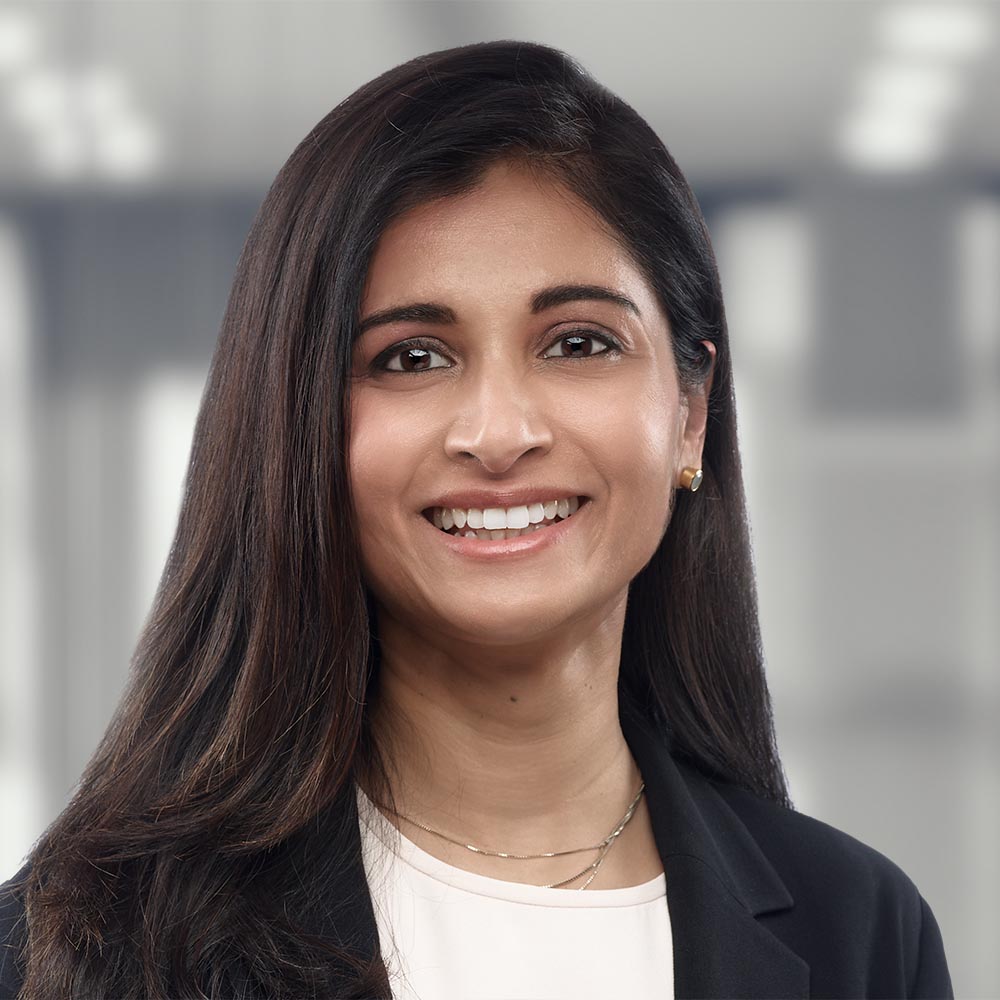 Zehra Sheerazi
Heather Tobin
In this podcast series, Torys partner Zehra Sheerazi sits down with leaders from across Canada’s corporate landscape to discuss their road to success, the insights they’ve gained from facing challenges and opportunities, and the lessons learned along the way. Visit our main In the Chair page for more content and new episodes.
With 16 years at CPPIB under her belt, Senior Managing Director and Global Head of Factor Investing, Heather Tobin, has all but written the book on leadership at Canada’s largest pension fund—even if it’s not yet on Goodreads. In this wide-ranging conversation, Heather discusses her globally impactful career, the importance of strategic alignment when managing with cross-global teams, and the perspective she’s gained in helping to build an investment portfolio that thinks not in years, but in generations.
Zehra Sheerazi (00:00)
Hello everyone, and welcome to In the Chair, a podcast spotlighting Canadian business leaders and the lessons and experiences that make them who they are today. I had the pleasure of sitting with Heather Tobin, Senior Managing Director and Global Head of Capital Markets and Factor Investing at CPPIB. Heather talked about her background and the series of moves that led her to her current role, her varied 16-year tenure at CPPIB, and we talked about everything from GenAI and opportunities for Canadian industry, to vulnerable leadership—and what's at the top of Heather's Goodreads list.
It was so impressive hearing about her leadership role at CPP, how she works with a host of teams to maximize a generational portfolio, and how she motivates teams with autonomy, communication, and, above all, alignment on the purpose and intent of the entire organization.
The one thing that struck me in my conversation with Heather were her comments on shared values and kinetic connection, and how those are rewarding, sustaining factors in a role she has led for some time.
I also loved hearing about Heather's perspective on vulnerability, learning from others, and making a lot of space for everyone around you to be successful. This was a really great discussion, and I really hope you enjoy it.
[Music]
Zehra Sheerazi (01:18)
Today I'm pleased to sit down with Heather Tobin. Heather brings a wealth of insight and experienced as a seasoned investment leader. Currently, she's Global Head of Capital Markets and Factor Investing at CPPIB. Before this role, Heather held several other leadership positions within the organization, including Head of Investment Portfolio Management, reporting to the CIO; and Director, Office of the CEO, where she gained incredible insight into the entire organization.
She has been with CPP, if you can believe it or not, 16 years. It's a long time to be with an organization, and I imagine for her—and hopefully she'll talk about this, it's a testament to how she values the organization, the work that they do and the purpose that she gets out of it.
Prior to her life at CPP, Heather was at the World Bank, at the International Finance Corporation in DC, and before that, investment banking at Morgan Stanley.
Heather and I met—oh my gosh, more than a decade ago. I still feel like we're quite young and a decade makes us feel a bit older, but we're not. My husband introduced me to Heather, and he said, “There's this woman that I work with. She's really smart, really nice, and she kindly offers to drive me home once in a while.”
So, he leveraged off that car ride, and I, from that, gained a really great friend and somebody that I admire. So, to me, this is personally really great to be able to sit down with her and for our listeners to be able to hear her really incredible story and the number of roles she has held at CPP and what she's done with them.
So thank you so much, Heather, for sitting with us today. It means a lot to me.
For our listeners, I think it would be really interesting to hear about your story and your journey and maybe start off with your life in investment banking, because I imagine the training that you got there sort of helped you pivot into some of the roles that you have today and walk us through what that journey look like for you.
Heather Tobin (03:02)
Thank you, Zehra, it's so great to be here, and it's so fun to have this conversation with you. And thank you, Mustafa, for introducing us.
[Laughter]
We, we would not be here today if it was not for him. So, so happy to be here today and speak a little bit about my journey, talk about the incredible work we do at CPP Investments and just some reflections that I've had with the privilege along the way.
So, you're right. I started my career in investment banking, and I was very fortunate to work here in Toronto at Morgan Stanley, where I was covering the Canadian oil and gas sector at a time when things were, you know, incredibly exciting in that space. And I really, you know, I'm so grateful for that opportunity because it allowed me to get exposure to an incredible platform and learn a tremendous amount of skills and, you know, really, work with some incredible people early on in my career that I still am in touch with today.
I spent a couple of years doing that here in Toronto, but I'd always had this desire to work for kind of a multilateral agency. So, as I was wrapping up a couple of years in the analyst program, there was an opportunity. Everybody was kind of deciding, you know, “Do we, do we want to keep going? Do we want to move to the New York office? Do we want to do something different?” And I was kind of at that inflection point in my career when I was thinking about, kind of, what's next. And there was, you know, lots of interesting paths to, to want to stay in, to want to be there. But ultimately, I saw this posting to work at the International Finance Corporation and the World Bank Group in Washington, and it was a job working at the—I'll call it the IFC, which is kind of the private sector investment arm of the bank in their oil, gas, mining and chemicals team.
And for me—you know, when you just have those collisions in life and you feel energetically like there's a window that's about to open up—
Zehra Sheerazi (04:42)
You’ve got to take this opportunity. Yeah.
Heather Tobin (04:43)
And you have to just take this opportunity. And I applied and got this role, and I packed up everything that I had here in Toronto. And I, I moved over to Washington for a couple of years and—
Zehra Sheerazi (04:54)
So neat.
Heather Tobin (04:54)
—spent a few years in DC with this team. And it was absolutely a transformative experience for me. I got to work on investments on a, you know, really all over the world.
And, what happened at the end of a couple of years is I got a call from a head-hunter calling me about, you know, an opportunity that was back in Toronto working with a pension fund that was starting a direct investing team in the infrastructure space. And is that something I would be interested in doing? Would I be interested in coming home to do this?
And the team had obviously been in place for a few years. And it was, you know, the organization was called CPP Investments and I, you know, had not heard about CPP Investments at the time. And I was a little, just trying to find out some more information of what this is all about. And when I found out how—first of all, the purpose of what this organization was doing, and then the runway that it had ahead of them, there was just no doubt in my mind that this was going to be the next window.
And so I came back to Toronto. I, I went back and did my MBA at Ivy—
Zehra Sheerazi (05:53)
Yep.
Heather Tobin (05:53)
—and then I joined CPP right out of school, right out of my MBA program, into their infrastructure team 16 years ago.
Zehra Sheerazi (06:00)
Oh my gosh, to think, and you haven't looked back since. And you've had a number of interesting roles along the way in different parts of the organization. Maybe talk to us a little bit about, firstly what you do now, because you have a big title, but I'm not sure everybody understands what that actually means. But also talk to us, you had a really interesting stint in this, the Office of the, the CEO and what vision, what purpose, what sort of direction that gave you when you decided you were done with that role and you wanted to do something different?
Heather Tobin (06:29)
Yeah. So, just to maybe take a step back a little bit, maybe just a little bit about the organization itself.
Zehra Sheerazi (06:35)
Yeah.
Heather Tobin (06:35)
So, CPP Investments is responsible for managing the assets of the Canada Pension Plan. We have roughly $730 billion in assets under management today. And our mandate is very simple, but it's very powerful. And that is to maximize return without undue risk of loss, while ensuring the long-term sustainability of the plan for more than 22 million contributors and beneficiaries here in Canada. It's just such a great thing to wake up every day and be able to say.
Zehra Sheerazi (06:59)
It is. It's very inspiring. And I recently heard your CEO, John Graham, speak at the Canadian Club. And for our listeners who haven't heard John speak before, that podcast is also online, you should go listen to it. And he, he spoke about the history of the pension plan. And when he initially said, “I'm going to talk about the history of the pension plan,” I don't know what I had in my mind.
The story and the values that he put across made you feel so lucky to be in a country that focuses in the way that it does on this pension promise.
Heather Tobin (07:29)
Yeah. It's, it's really an incredible story of federal and provincial cooperation that we have here in Canada that, that created, created the organization. We truly live that and wake up and, and, and truly focus on that in the work that we do every day. And it's the, you know, the contributors and beneficiaries, into, into the plan, you know, these are the people that we serve, and we are here to build a generational organization and a generational portfolio. And that's, that's what we are truly focused on.
So, maybe a little bit back to how did I end up in this job and—
Zehra Sheerazi (08:00)
Yeah. Yeah, what, what is this job?!
Heather Tobin (08:02)
What is this job?! Yeah.
Over the 16 years that I've been in the organization, I've, I've had many, many different roles. I've really had the privilege of having many different roles. I think I've had seven different roles so far. And as I mentioned, I kind of got to start on the private side of the business where I joined in the infrastructure team and, and then I navigated through, a series of different roles throughout that, and now I've ended up on the public side. Just, along the journey, I would say, the, the role that you mentioned being in the office of the CEO, kind of chief-of-staff-type of role was an incredible perspective in, just, to just, you know, looking laterally across the organization and really understanding, you know, how to harness kind of all the power that exists across the portfolio and across all the capabilities that we run to drive our mandate. Right? Ultimately, the, the thing that's really powerful about the mandate of, of CPP Investments—and it's something that I think we are the incredible beneficiaries of—is having the responsibility to maximize one total portfolio.
Zehra Sheerazi (08:53)
Yeah.
Heather Tobin (08:55)
And that's, that's a real privilege. And, and it really focuses the direction and it, it focuses, you know, the framework of all the trade-offs that we make across the organization. So ultimately, in navigating all the roles that I've had, it really made me realize that I loved building the business.
Zehra Sheerazi (09:08)
Yeah.
Heather Tobin (09:08)
I really loved building the business. And that kind of took down some barriers for me as I was thinking about how to navigate next and how to think about the next opportunity in the organization. I've been very fortunate that the organization has provided that platform, and, and it's something we're hugely supportive of. So, it kind of takes us to present day.
Capital Markets and Factor Investing is the department that I lead, and so the department effectively is responsible for allocating across a number of different public markets strategies that cross various asset classes including public equities, fixed income, currencies, commodities. And we do that by both running strategies internally and allocating to strategies externally through our portfolio of external managers.
Zehra Sheerazi (09:49)
Okay.
Heather Tobin (09:49)
So we have two very large investment groups in the department. And so, the first one is our external portfolio management team, which is our portfolio of external—our allocation to external hedge fund managers. We're actually one of the largest allocators globally into the space. We have an internal systematic strategies group that runs our internal quantitative programs across systematic macro equities and volatility. And then we have our investment engineering team that oversees all of the implementation of our internal programs. And over, oversees the ecosystem in the department. And then our portfolio strategy, and risk team that oversees portfolio construction and risk for the departments.
So, the thing that's unique about our department, maybe in the context of all the strategies that CPP runs, is that our programs are actually market-neutral. So, what that means is that over the long term, we are effectively neutral to broad-based market factors. So, you know, like beta or other pieces and what that allows us to do and to bring into the portfolio is a persistent set of uncorrelated returns to broad asset classes over time.
And that's very diversifying in the context of the portfolio construction of the business. And so, it's, it's a set of programs and capabilities that have performed exceptionally well for the fund, and are some of our very, very strong franchise programs in the organization.
Zehra Sheerazi (11:05)
That's amazing. And so, what does that mean in terms of the size of the group that you lead? And are these people all over the world?
Heather Tobin (11:13)
We have people all over the world [laughter].
Zehra Sheerazi (11:15)
So talk to us about that because there's—you talked about, you know, three or four different verticals that come under, under your role. Everyone comes back to the same purpose and strategy up at the top. But how do you develop teams and motivate teams, and how often do you check in with these teams? Are you on the road a lot?
Heather Tobin (11:33)
Yeah. So, in capital markets we have roughly 110 people, globally. Our team—the majority of our team’s actually based here in Toronto. And then we have a, a significant team in London and a significant team in Hong Kong. And of course, CPP itself is, is a very, is a very global organization.
I think I've learned a lot and I continue to learn a lot about, you know, leading broad-based global teams. And I think collectively, if you think about how to keep that core group tethered together, I mean, really it comes down to just, first of all, it comes down to purpose. Right? It comes down to reinforcing what is our core mandate and deliverable as it relates to the types of capabilities that we can deliver into the total portfolio at the fund, and making sure that everybody understands that set of privilege and responsibility that we have.
I think the second thing is just aligning on the intent. And you're probably going to hear me talk about this a lot: aligning on the intent of how we want to do that. What are the set of strategic choices and capabilities that we want to make to enact that purpose and deliver on that mandate? And I think setting the intent is really important because ultimately, what you want to do when you're managing a very large team is allow people to operate with a great deal of autonomy, but with a lot of alignment. And so, I think just focusing on the intent of what we're trying to do kind of sets the perimeter of what we're trying to achieve and allows people to feel empowered and make decisions every day within the scope of their responsibility that, that aligns with that.
And then the third thing is just communication. My gosh, we, you know, we really—when you're leading teams, I mean, absolutely just ensuring there's a consistent groundswell of communication around purpose, around intent, around recognizing, around celebrating things that are going well—
Zehra Sheerazi (13:14)
Yeah.
Heather Tobin (13:15)
—is really, really important. And of course, we have like amazing tools and technology that allow us to do that today, kind of on a, on a regular ongoing rate. Yeah, I do, I do travel, I try to get to London and Hong Kong twice a year and in fact, I'm actually getting on a flight to Hong Kong this weekend, so really excited—
Zehra Sheerazi (13:29)
Oh great! We catch you right before you take off.
Heather Tobin (13:30)
—to see my team there. It'll be great. But I think, you know, purpose and intent and communication are, are really key.
Zehra Sheerazi (13:35)
Yes. You're very thoughtful about the way you think about this and strategic in the way you implement, making sure your teams are coordinated and purposeful and aligned on the same vision.
Stepping back when you think about your 16 years at CPP, what kind of culture has been created to allow someone like you to stay engaged, to try new roles, and stay in an organization for a long time, where that—you don't see that as often anymore, people move and, and try new things, but it seems like you're at a place where they allow you to do that and grow in different ways. How would you describe being, sort of, being committed to an organization for this long, and still being so energized by it?
Heather Tobin (14:16)
I know. It's not because I've had two cups of coffee before I walked over here [laughter]. You know, it comes back to purpose, but what does, what does purpose really mean? I mean, ultimately, this is just, it's really about values, right? And it's, it's about, for me, it's always, the “what we do” is really important. The “how we do it” and how that translates through the values, our guiding principles, how we show up for each other really aligns so well with my personal values and so I feel that allows me to show up in a way that is really authentic to who I am every day.
And if you can find that kind of kinetic connection and, you know, a place where you feel like you have deep meaning in your work driven by purpose, you have alignment in your values and you can show up authentically. I mean, I think that's a really incredible platform. So those are probably some of the things that have, you know, been the key anchors that have kept me there.
I mean, the people are incredible. You know, we just we have world-class people, you know, your, your wonderful husband used to work there [laughter]. So, I mean, you know, we're in an environment where we learn from each other every day. We challenge each other every day. It's, it's a great and a really fun, energizing place to be.
And then just the scale of the challenge. You know, we are one of the largest plans of our kind globally. The type of portfolio that we run and our approach is incredibly dynamic. We run across a number of different active strategies. It's, intellectually, an incredible place. And so, the scale of the challenge, the breadth of the strategies, the breadth of geographies that we cover, the learning opportunity there is—if you're somebody who's, who's curious and you know, wants, wants to be in that kind of environment, I mean, there's lots to be stimulated by and be challenged by.
Zehra Sheerazi (15:54)
That's so exciting. I imagine the last 16 years, you've, you know, you've pivoted a lot and you've pivoted from being an investor to now into a more strategic role. There are learned skills along the way, but I imagine there were challenges as well, and learning to adjust and learn new things. Can you think or, or talk to us about a time, any experience where you felt that there was a challenge ahead of you and maybe the framework of how you attacked that and how you dealt with it, and dealing with unknowns in your job because so much about what you do, I think, with the way the markets are, being nimble on your feet and evolving. So how do you think about challenges in your job?
Heather Tobin (16:35)
Yeah. So, I'll, I'll take it back to, how did I make some of the decisions that I made around the jobs that I've had.
Zehra Sheerazi (16:41)
Yeah.
Heather Tobin (16:41)
So, I think the story that resonates, if I look back and I think about all the different roles I've had in my career, the one I think that was the most transformative for me was when I decided to step out of my role in the infrastructure team. And I was, at a point in my career where I had been in, you know, the utility space for about a decade. I had had, my, my daughter at the time and, you know, that had been, a really huge life milestone and a really reflective life milestone and kind of, to come back to work after that period. And I was just kind of feeling like I was ready for a different challenge. And so, I started speaking with, you know, my team and the, the head of, kind of private investments at the time.
And they said to me, you know, “Hey, we're actually looking for somebody to take on kind of a strategic project. Looking at redesigning the compensation system in the organization is that something you would be interested in doing?” On the face of it, I thought, okay, gosh, you know, dealing with, you know, the compensation question for all of my colleagues [laughter] does not seem like the place to engender yourself and like making a lot of friends!
Zehra Sheerazi (17:42)
Yeah. And so different than what you had been doing.
Heather Tobin (17:45)
And so different than what I have been doing. But the more that I spoke with folks around me about it, you know, it was really clear it was an incredibly strategically important area of focus for the fund. It was going to allow me to work with an entirely new set of colleagues and people and, you know, gain exposure to lots of different aspects of the organization.
And so, I decided to kind of take the leap and go for it. And it ended up being one of the most transformative experiences for me professionally. And it was also one of the most difficult things I have ever had to run with. And it really helped kind of unlock something for me about this, you know, getting interested in and building the organization and just being willing to go on risk on yourself in a completely different way that allowed me to reframe what the whole opportunity set was within the organization.
And from there, every time I've had a, a role that's come up, I've always thought about it in three things:
I've always thought about, is this going to be really strategically important to the organization? Is this really going to matter? Am I going to work with some really great people? Am I going to learn something new? Am I going to be, you know, challenged and mentored by somebody I haven't had the chance to learn from yet? And the third thing is, am I scared to do it? And if I could answer yes to all three of those things, then that's kind of been my decision framework for thinking about how to move to the next opportunity, and from there, you just have to give yourself a lot of grace.
Zehra Sheerazi (19:10)
Yeah and that's so interesting because most people, I think, when they're scared to do something, they shy away from the decision. But for you, you lean right into it. And probably it goes back to the organization that sets up, sort of, the support systems in place to carry you through the period that you're scared, with the mentors and the coaching and the training.
And then having a bit of faith in yourself: that I have the tools and the training to get to a good end result. But you believe in, in the work that you're doing.
Heather Tobin (19:38)
Yeah. Yeah, absolutely. And every time you do it, you, you get more resilient around it, right? You get more resilient, you get more comfortable. You know, you know what your playbook is in terms of what strengths you're bringing into that opportunity. And you get more comfortable knowing that, you know, you're going to have to work and take on lots of feedback and support from other people who have other areas of expertise, right? It's been a really interesting reflection, and we can definitely come back to it. But that framework for me has always kind of been a core, core touchpoint. And—
Zehra Sheerazi (20:10)
Do you think that requires you to be a bit vulnerable and be open?
Heather Tobin (20:16)
Yes.
Zehra Sheerazi (20:16)
You talked about communication with your team, and so much of that is based on trust, but you also have to ask for help. You have to be willing to tell people when you're not comfortable with something, where you need help. How does that work in a large organization?
Heather Tobin (20:29)
Yeah, I think vulnerability is really key. In any part in your career and especially I think as, as a leader, you know, your, your responsibility or your role isn't necessarily to come in. In fact, it's never usually to come in fully formed in every single skill set, knowledge and capability you're going to need to be successful in that seat.
It's ultimately about understanding what are you bringing to the table that's differentiated capability that's going to help that team execute on what they're trying to drive? How can you empower and learn from other people around you to put that puzzle piece together of what that team needs to look like? And then figure out a way to get everybody aligned, set the intent on what you're trying to do, and then make sure that you make a lot of space for everyone around you to be successful, truly. And I think that's how you end up building great teams that deliver real, lasting impact. But certainly, you know, being very reflective and vulnerable around what is it that you're bringing to the table and, and being comfortable around that is really important.
Zehra Sheerazi (21:28)
Yeah. Looking at the macro landscape, things are changing regularly and quickly around the world. What do you think are some of the unique challenges for an organization as large as yours that invests with a global mandate? With the global landscape changing, investment landscape changing the way it is, and introduction of AI and the geopolitical tensions and the U.S. presidential elections. Is it something you guys sit and—I assume you think about it, you chat about it as you're executing your strategy?
Heather Tobin (21:58)
We do. Yeah. I mean, of course, there's, there's a lot that is changing around us at the moment. I think just taking a big step back, I would say, as I mentioned at the opening, we're, you know, we're looking to build a generational organization and a portfolio that is going to provide financial security in retirement to millions of Canadians over, over the long horizon. And so that means that—and as a as a long horizon investor, we are always looking at the macro landscape and the view to those changes and implications for our portfolio strategy with our mandate in mind, but also with that timeline in mind. And ultimately, you know, we need to be able to deliver a portfolio that can perform through market cycles and not in reaction to them.
And that, you know, is incredibly important. And I think that in times like these, you know, you go back to your core set of investment beliefs and reflect on those and ensure that those are persistent through times and they're persistent through regimes. And so those are kind of just points that I would offer that we reflect on in the context of our mandate and, and the investment horizon that we have.
But I mean, certainly there's so much to be focused on, in the landscape at the moment. I mean, just the first one is obviously just everything that we're seeing evolving in the fiscal, monetary, industrial policy complex, and the direction and the duration that all of these different response mechanisms are taking across the landscape. So, I think, you just see right now, I mean, it's, it's, you know, we could pick out a number of examples here in this moment, but, you know, markets are constantly repricing out their policy risk effectively. And so, we're always looking at that response and that sentiment with the view to underlying fundamentals.
And then you know, with many countries pursuing sustained fiscal deficits in response to their industrial policy choices, we're looking at, you know, some of the traditional correlations in asset classes and the value of, roles of certain assets like fixed income and portfolio construction, and thinking about what role those assets play, in the, in the core context of our portfolio construction assumptions through the long term and over the horizon that we're thinking about.
The second is just diversification. I mean, we obviously run a very diversified global portfolio across all the strategies that we run. And we really like to say that diversification is an act of humility. You've probably heard our CEO say that.
Zehra Sheerazi (24:11)
Yes, John actually said that in his speech.
Heather Tobin (24:13)
John definitely has said that many times. And I, I think it's a really great framing, to come back to. You know, we are very mindful of the level of concentration that we are seeing in U.S. equity markets. And I think very simply just reflecting on that, just as you would be thinking about concentration risk across asset classes or geographies or factors or single names in your portfolio, these are all aspects and things that, that we think very carefully about.
And, you know, given who we are and our mandate, you know, we are very mindful of not introducing undue concentration risk into the portfolio. And I think in moments like this, you know, that can make performance in any given single year in terms of relative value, relative to how we assess our own performance, you know, challenging when the markets have been performing so strongly.
But as we think about our mandate and who we are in our horizon, you know, those are decisions that, you know, that we're very mindful of and we're definitely looking at that risk closely.
And then, of course, I mean, we can't not talk about GenAI. And, you know, that's just going to be one of the most significant structural shifts of our lifetime. But we are very equally focused on the adjacencies around that. So power, energy infrastructure, data centres. I mean, these are all essential to supporting the scaling of this transformation. And these are assets that have the potential to drive durable productivity gains and long-term economic growth. And they align well with our investment horizon for us as an investor.
I will just pause here for a moment and say that we do think that Canada in particular is very well positioned for this moment in time. And, you know, we are very engaged in the opportunity set domestically around this. We have about 12% of the portfolio invested in Canada today, and we're really looking forward to seeing how the domestic conversation is going to unfold here and, and very engaged in, in looking at the opportunity set around it.
Zehra Sheerazi (25:55)
You know, not traditional AI in the way we always think about it, but the adjacent services and how much investment needs to be put into things like power to actually power data centres. It's not just about that.
Heather Tobin (26:09)
Yeah.
Zehra Sheerazi (26:10)
But looking at what feeds into it. So that's interesting.
Four Minutes with Heather Tobin, for those of you who haven't listened to it, please do. You were asked about what you thought were some of the top skills for good investors, and the thing that you referenced was the ability to cut through complexity and communicate with clarity. Can you peel that out for us a bit and tell us what you meant by that?
Heather Tobin (26:32)
Yeah. I think we work in an environment that has a lot of jargon. Right? You and I both.
Zehra Sheerazi (26:39)
Yes.
Heather Tobin (26:39)
Let's just take a moment for the jargon glossary [laughter] that probably exists in our, in our landscape every single day.
Zehra Sheerazi (26:43)
Which is why I said, please break down factor investing for us [laughter]. Because for those of you that may not know—
Heather Tobin (26:49)
That might be another podcast [laughter].
Zehra Sheerazi (26:52)
Yes!
Heather Tobin (26:53)
But I appreciate so much, and I think we all do, when we are really trying to navigate and move through a lot of decisions every day, just making sure that we're having really direct and honest conversations about what the implications are around each opportunity that we're looking at. And so, I think naturally, especially in, you know, as investors and in your profession, too, we're always thinking about the, the unintended outcomes, right, and how we can best mitigate those.
But ultimately what we've got to be really aligned on are what are the core underlying beliefs that are underpinning this particular opportunity, and are we all very clear on what those are? So sometimes I just find spending some time focusing on what are, what are the core pieces are really important and making sure that, that we're all very clear and, and, and aligned on, on what they are.
And then I think around on the communicating with clarity, this comes back to probably the context of working with teams and leading teams where everything that you say becomes magnified ten times. You know, unintentionally, in some ways. Right? And so I think as much as we want to be, you know, very careful and thoughtful about the things that we're saying, ultimately, you know, the more we can continue to communicate openly and transparently with our teams around what's on our mind, what we're driving towards, what we see as the blockers, that kind of just breaks down that, that language barrier a little, but always with the view to, to try and clearly communicate the intent and make sure that, you know, the things that you're, that you're saying are, are being are being well received. So, yeah, communication is definitely, yeah, a big, a big multiplier.
Zehra Sheerazi (28:23)
One thing that I've learned about Heather in the time that I've known her is she's someone who is always reading and is always—she always has a new book beside her. She's always learning and investing in herself. So, when I need a book recommendation on whether it's spirituality or leadership or, you know, fun fiction reading, she's one of my go-to people.
So, Heather, do you want to share with our listeners any must-reads? And your list must be quite long, because Heather was just explaining to me what Goodreads is, so [laughter] I had no idea. And maybe like the few books that are currently on your list.
Heather Tobin (28:57)
Zehra, I love Goodreads. You know, you know, this is at the top of my list [laughter] and I am constantly curating my Goodreads list. And yeah, I love to read. I find it's just that moment where you can just, you know, decompress and, and detox from all the, the overflow of information that we're trying to wrangle with every day—
Zehra Sheerazi (29:15)
And you read physical books.
Heather Tobin (29:16)
Yeah.
Zehra Sheerazi (29:17)
Yes, yes. I, I also love that like, you're, you're actually turning pages. It's not just audiobooks and it's not just Kindle.
Heather Tobin (29:21)
Of course. Yeah. I'm, I'm leaving on a trip on Saturday, and I've got three packed with me because I know my kids are not with me [laughter] Yeah.
Zehra Sheerazi (29:29)
There is a benefit of having a long business trip—
Heather Tobin (29:32)
Yeah, I'm going to have a moment.
Zehra Sheerazi (29:34)
—to focus on you.
Heather Tobin (29:35)
So many, so many great books. In no particular order, if I just flip open my Goodreads account and think about what I've read recently. So some of the ones that I've really enjoyed are The Road to Character by David Brooks. I thought that was just such a great, a really great reflection and kind of a tour through the lives of different historical individuals and kind of what drove them and what motivated them and what their values were.
Tribe: On Homecoming and Belonging by Sebastian Junger: really enjoyed that. The Worlds I See by Fei-Fei Li, was a really interesting look into the dawn, of kind, the AI revolution and the early community and leaders that were, that were in that space. It was really fantastic. End Times by Peter Turchin was another one, really excellent.
And then, of course, you know, I have my regular roster of just nonfiction that I love [laughter].
Zehra Sheerazi (30:24)
So I have to write all of these down. And I also have to look into Goodreads.
Heather Tobin (30:24)
Well, I have to add you as a friend!
Zehra Sheerazi (30:29)
That is on my list of things to do.
Heather, the other thing I want to quickly touch on is: you have a demanding career. You also have a wonderful family, and the one thing I've always noticed about you is you find time to make that a priority, and you make it seem effortless and easy. And I'm sure it's not.
But are there any things that you consciously do to ensure that you're able to cultivate these incredible relationships with people around you that are important to you, including your friends, but you also show up with 150% at work. I'm not sure how you do that, but you know, help us, help us help ourselves.
Heather Tobin (31:07)
[Laughter] I think the demands on our day, our working day and the roles and responsibilities that we have both, both at work and at home with young families, is real. And I mean, you, you and I have spoken a lot about this, and I so value the support that you've given me—
Zehra Sheerazi (31:22)
That’s kind.
Heather Tobin (31:22)
—in this space, because you really need a couple of, like, partners in crime, right? To be able to pick up the phone and talk about—
Zehra Sheerazi (31:28)
Yeah! Absolutely. Your village. Can’t do it without—
Heather Tobin (31:31)
You really do. And for me, I think what I've tried to focus on the most is being present in the moments where I am. And because, you know, your coworkers, your colleagues, your kids, your family, they know when you are there but you are not really there with them. And so, I think that requires you to try to be really disciplined around when you pick up your phone, when you log in, when you put it away, and just trying to focus on that, really, that intention of being present, I think is, is really, really key.
And then, you know, even though, like even today, you know, I, I got my kids for breakfast in the morning and then I, you know, I had some early meetings, but at least I know I really had a great connection with them this morning before we all left for our day. And then I, you know, can't wait to see them later on this evening!
Zehra Sheerazi (32:15)
So nice. And then can't wait to have your flight without them [laughter].
Heather Tobin (32:19)
My flight with my books [laughter].
Zehra Sheerazi (32:19)
Appreciating things when you have them and appreciating the times when you don't.
Heather Tobin (32:23)
It's true.
Zehra Sheerazi (32:23)
You know, we're running out of time. There's two more things I want to ask you. Can you think about somebody in your life, whether it's, you know, at CPP, through your career, personal life that has been an impactful, influential person that has sort of helped you think and, and get you to the place you are today or helped with some tough decision making?
Heather Tobin (32:46)
Yeah. Like you were saying it, it takes an ecosystem of people and it certainly takes the same in your career professionally. For me, quite honestly, it really has been my family and, you know, my, my parents, really. And they were very involved in public service and public life and felt very strongly about, you know, playing a role, giving back, being a participant in the community where you live and, and got to do many, many, many things in that respect.
And I think for my siblings and I—I have two younger brothers—I think that's really driven a lot of what we've done and has, has instilled a lot of those values in us and has really guided a lot of the decisions that we've all made professionally.
Zehra Sheerazi (33:29)
Yeah, that's so nice. I know how close you are to your family and how much of a support system they are.
Heather Tobin (33:53)
Yeah. Couldn’t do it without them.
Zehra Sheerazi (33:36)
That’s nice to hear. Yeah. Plug to good parents. And then lastly before we wrap up, is there anything you're currently working on or trying to sort of perfect? Heather's also really great baker [laughter]. So I'm just going to throw that out there. So maybe she's perfecting some recipes, but is there anything you're exploring about yourself or learning and trying to sort of improve who you are in the constant journey of trying to better yourself?
Heather Tobin (34:01)
I think just, you know, just practicing being present. You know, every, every opportunity professionally creates a different set of demands and a new dynamic. And I just constantly am going back to that practice.
So I think just enjoying, you know, back to being present, enjoying this moment and chapter with them is where I'm spending a lot of my time and it's, yeah, it's been super, super rewarding.
So really, really just continuing to focus on that has been a big one.
Zehra Sheerazi (34:17)
Thank you so much for sitting with us today and taking time out of your busy schedule. And thanks to our listeners for tuning in. Great.
Heather Tobin (34:23)
Great. Thank you.
To discuss these issues, please contact the author(s).
This publication is a general discussion of certain legal and related developments and should not be relied upon as legal advice. If you require legal advice, we would be pleased to discuss the issues in this publication with you, in the context of your particular circumstances.
For permission to republish this or any other publication, contact Bryn Turnbull.
© 2026 by Torys LLP. All rights reserved.
Subscribe and stay informed
Stay in the know. Get the latest commentary, updates and insights for business from Torys.
Stay in the know. Get the latest commentary, updates and insights for business from Torys.
Subscribe Now