In the Chair avec Brent Belzberg
Conférenciers
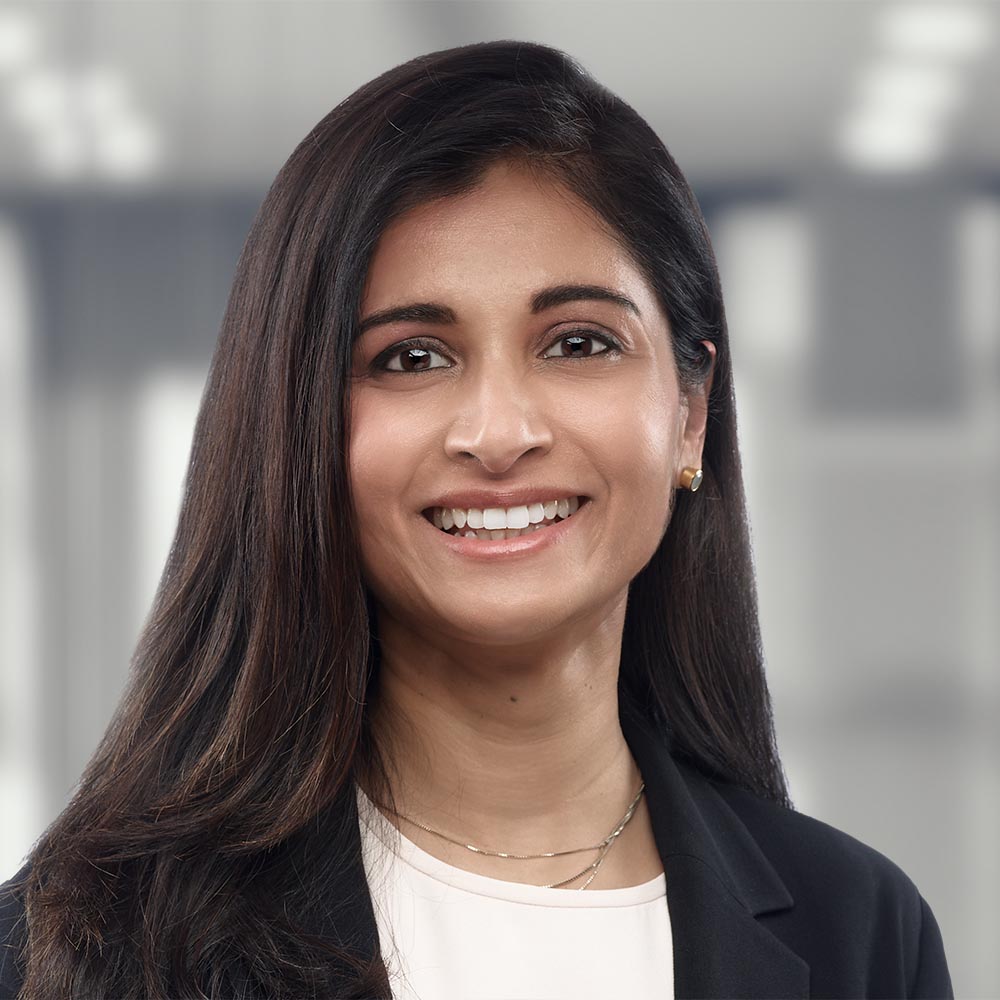 Zehra Sheerazi
Brent Belzberg
Dans cette série de balados, Zehra Sheerazi, associée chez Torys, s’entretient avec des chefs de file du milieu des affaires canadien pour discuter de leur parcours vers le succès, des enseignements tirés des défis et des occasions qui ont jalonné leur trajectoire, ainsi que des leçons apprises en cours de route. Visitez notre page d’accueil de In the Chair pour découvrir davantage de contenu et de nouveaux épisodes.
Au début de sa carrière, Brent Belzberg, fondateur et président exécutif principal de TorQuest, s’est donné pour mission de montrer qu’il n’était pas nécessaire de jouer les durs pour réussir dans le monde impitoyable du capital-investissement. Trente ans plus tard, cette approche des affaires fondée sur les valeurs et les relations humaines a fait de TorQuest un chef de file des acquisitions dans le marché intermédiaire, avec 5,5 milliards de dollars d’actifs sous gestion, et a façonné sa vision de la philanthropie, de la famille et de l’engagement communautaire.
Dans cet épisode, Brent explique pourquoi la collaboration et l’humilité sont essentielles au succès, et pourquoi la bienveillance constitue une véritable force, tant dans le monde des affaires que dans la vie de tous les jours.
Brent Belzberg (00:00:00)
The word I hate more than anything is entitlement, or that somebody owes you something.
And I think I've taught a lot of people in our place that they don't have all the answers, and they have to keep questioning all the time. The question is, how do you get to a place that you actually make a decision if you always have those notes?
Reputation mattered more than anything. How you treated people mattered more than anything, and it wasn't a characteristic that I saw where I was.
Humility is the secret to success in this business, and there isn't a lot of it in our asset class. But those who survived seem to have some level of humility.
[Musical introduction]
Zehra Sheerazi (00:00:47)
I'm thrilled to be sitting here today with Brent Belzberg. Brent and I have already been chatting for a bit, and I'm sad that this podcast is only 30 or 40 minutes, because I truly could sit with Brent for hours and learn a lot from him.
So Brent, as many of you will know, is the founder and senior executive chairman of TorQuest, a PE firm with more than 20 years’ experience building middle market leaders across multiple industries.
Before he founded TorQuest, Brent founded Harrowston, a publicly traded investment fund, which he ran for about a decade before TD Capital acquired it.
Beyond his impressive day-to-day job, Brent is also committed community leader and philanthropist. He serves as a director of Sinai Health Systems, is a member of the Advisory Committee at U of T. He was appointed to the Order of Canada in 2018, and more recently, he received the King Charles III Coronation Medal in 2025. His list of accomplishments could span pages. I'm thrilled and humbled to have Brent sitting with me today to share his time and his voice with us.
Brent and I met a few years ago—my good fortune of being a partner at Torys who gets to work with TorQuest on their deals—and Brent and I were connected through people we knew mutually, in addition to work.
And Brent has made time for me and for my husband. And, you know, I was chatting with my husband on the way here this morning, and I said, “I'm sitting down with Brent.” And he said to me, “Brent has taken me under his wing and has shared so much life advice with me that I am forever grateful to him.” So, first of all, thank you for sitting here and thank you for the impact that you have on me and my family and generally people, young people, who are seeking advice and your time, and you give it so generously.
Brent Belzberg (00:02:34)
Well, that's for sure the most fun thing that I get to do and, and the chance to be inspired by people of your age and not have to get old because I can get a benefit of being able to be with people like you is, is the greatest.
Zehra Sheerazi (00:02:47)
Your big family keeps you young, I know that.
So, Brent, you know, it's always helpful to have a sense of what people are like based on their version of their story. And your story has evolved over the decades. So, do you want to give us a bit of an intro as to how it started? I'm sure it wasn't all planned. You've pivoted a lot, and now you've—you're at the point in your journey where you're trying to take a step back, although I'm not sure that you're doing that very successfully [laughter] with still coming into the office all the time and, and working. But take us through your journey.
Brent Belzberg (00:03:17)
Yeah, but, but it is different for sure today and, and appropriate because my biggest desire is that TorQuest succeeds way better after me than had succeeded while, while I ran it.
You know, I have a very unusual way of getting to where I got today. Every young person who comes into my office asks what their path should be, I said, “It's not mine.” You know, coming from a young Jewish guy who lived in in Western Canada, to be taken in by Torys was probably the most monumental thing that ever happened to me.
People who had different life experiences than I had took me under their wing: people like John Tory and Bill DesLauriers, took me to Europe for almost a whole year, back and forth, to work on the Thompson file. And, you know, for me, it wasn't doing some tax work on bringing a UK company to Canada that changed me. It was spending weekends with both of them, and understanding their values and, and their values have created what Torys is today.
From there, you know, I thought I should go work for, for a family company. I didn't think I was a great lawyer. They thought I was a great lawyer, but I have ADD and sitting still like that was a very difficult thing for me. And so, I went to work for my family, wasn’t very comfortable staying in—I loved Vancouver, but not working there that closely.
So, I came back to Toronto to create something and, and I realized that reputation mattered more than anything. How you treated people mattered more than anything. And, and it wasn't a characteristic that I saw where I was and when their business fell apart, I volunteered, effectively, to restructure it for, for a period of time in my life, fixing up $7 billion of defaulted debt.
And so, when I was 42, I had nothing. I didn't know how I was going to feed my family, and I went for some job interviews, but my resume wasn't very traditional, so I went on the street and basically begged for, for money for the, for the first fund, Harrowston, which was done in a public vehicle and, and as a result, you know, built this business and, and Harrowston did more or less exactly the same thing that TorQuest does. But it did it in a public vehicle, which was, at that time, not an appropriate structure to do it. And so, I sold it to TD Bank and for the first time in a long time had some money. And those assets were a substantial part of what Birch Hill was at that time and before they spun off. And Ontario Teachers’ Pension Fund offered to give me $50 million to start in a traditional, in a traditional model and I raised $183 million, and then I realized, “Oh my God, it's just me sitting in my basement.”
Zehra Sheerazi (00:06:29)
That was your first fund. You in your basement. Wow.
Brent Belzberg (00:06:31)
But, you know, we'd had good success at Harrowston before and, and it's funny—
Zehra Sheerazi (00:06:37)
And the team didn't come—the, the team stayed.
Brent Belzberg (00:06:39)
They didn't, they didn't want to take the uncertainty that existed in the year before that happened. And so they're all over the place. Mark Wiseman was one of those guys and he's now the Canadian ambassador. Michael Flood, who's the most senior guy at Northleaf, was one of those guys. And so, there were—George—
Zehra Sheerazi (00:07:00)
Everyone landed in a good spot.
Brent Belzberg (00:07:01)
They all landed in great spots. And they're all my very close friends, and I'm very proud of them. And, and—
Zehra Sheerazi (00:07:06)
Well, like you said, relationships matter. And how you treat people matters. So, decades later, even though you didn't work together again—
Brent Belzberg (00:07:13)
Yeah, we are—
Zehra Sheerazi (00:07:14)
Still maintain, today, deep friendships.
Brent Belzberg (00:07:15)
So, I'm pretty proud of what we've been able to create. I mean, it's gone from $183, the last one was $2.5 billion.
Zehra Sheerazi (00:07:23)
And now you’re at, what, $5.5 billion?
Brent Belzberg (00:07:26)
Yeah, it's a hard—it's a hard way to, to manage it that way because when you sell something, you give the money back to the investors.
Zehra Sheerazi (00:07:34)
Yeah. That’s a really large last fund, Brent, in an environment where it was hard to raise money.
Brent Belzberg (00:07:40)
You know, our numbers were great. And, you know, most of our investors, if not all, but five or six, were all people who have been in previous funds. So there’s momentum to—
Zehra Sheerazi (00:07:51)
That’s a big testament, if your LPs can come back over and over again. They believe in your story.
Brent Belzberg (00:07:55)
That's right. There's momentum and there's, and there's relationships that you build, and you treat people honestly and honorably. And they know that when you give them some numbers, when—that they can trust them, that that if there's a problem, you tell them ahead of time, you don't—it's not a surprise to them. And you create a level of trust between you and your investors.
And it's interesting because the people in those investors change a lot over time, and you have to transition from the people who made the original decision to the people who are making the decisions today. And if you have a reputation for integrity with them, then they continue.
Zehra Sheerazi (00:08:35)
That sticks. And so if you think about what makes TorQuest different, I think you've spoken to part of it. From my side as a service provider, I see your teams feel different in that they work very cohesively together. I see them in the office all the time. They're often in the same room when we're chatting with them. It's not like I'm seeing multiple screens. People seem to be friends. They're nice guys. They say thank you a lot. They're appreciative of the work that we do, and that probably fosters a culture that allows you to deliver the service that you're talking about to LPs.
Brent Belzberg (00:09:07)
So, when I started, because of the history of where I had been, which I described a little bit earlier, I wanted to prove that you could be a nice guy and still get market returns. I wanted to prove that you never had to take an edge. You didn't bid on a deal at a price you didn't think you were going to close just to keep it there. You didn't renegotiate with people.
And so, we put in place a compensation plan, which is what some people might think is communist in a way, because there's not any bonuses and people aren't paid on performance. They're paid on each—each new fund, we recreate the pool. But prior to that, there's no entitlement because the word I hate more than anything is entitlement or, or that somebody owes you something.
And so there are a lot of positives that when you can't be there, somebody else picks it up for you. Or if you need some help, there's lots of people to give it to you because everyone's paid from the same pool and it's only adjusted every five years. And so, it creates a culture where, where people are less competitive and they're more cohesive and they care more about each other.
It has some negatives in that there's not as much “eat what you kill” kind of, kind of behaviour, but it's a good trade-off, in our view.
Zehra Sheerazi (00:10:38)
That's very similar to the Torys model.
Brent Belzberg (00:10:41)
Absolutely.
Zehra Sheerazi (00:10:41)
And I think that's what allows us to work as a group together in a way that best serves the end user: our client.
Brent Belzberg (00:10:49)
We see the difference in service providers the same way. We know that if you have a tax issue or litigation issue or an antitrust issue, you bring in the right people, whereas at other firms that we've dealt with, the partner who works with us keeps all of those things, and probably in some cases, we don't get as good an answer as we do when we use Torys, which we use almost exclusively.
Zehra Sheerazi (00:11:14)
We didn’t pay Brent to say that at all.
[Laughter]
Brent Belzberg (00:11:15)
No, for sure not.
Zehra Sheerazi (00:11:16)
A lot of PE funds, the market is drawn to, sort of, the big dollar amounts, the large deals. You guys have stayed pretty committed to the mid-market deals.
Brent Belzberg (00:11:26)
Yes, for sure.
Zehra Sheerazi (00:11:27)
And that’s always been your strategy, I think, with the end goal of taking control, even if you don't have that initially—although I think every deal I've done, you've acquired control.
Brent Belzberg (00:11:36)
Yeah. There, there are some transactions we're doing now that are, are not in control. We always tell people if we own 80 and you own 20, or we own 20 and you own 80, the shareholders’ agreement looks exactly the same. So, you know, our business was built originally on, on entrepreneur transition—sort of what I'm going through today in some ways—and so, what we've been able to offer people is an ability to, to grow their businesses by taking our capital. And most entrepreneurs didn't have boards of directors, didn't have, didn't spend a lot of money on systems, didn't spend a lot of money on technology, didn't have a bunch of layers of management and, and didn't expand through M&A.
And our view was that if we can provide them capital, that we can do that and help them transition from one generation to another or, or to a more passive role from an active role. And, and it's worked for us well. And, and that's our bread and butter. And for sure as we get bigger, we have other forms of doing it, but it is our, our differentiator.
Zehra Sheerazi (00:12:51)
Yeah. And it's interesting because I see the relationships that are formed between the owner/founder, when you guys are going through the process, are quite deep, right? Like, you're keeping these people on, you’re incentivizing them well, they want to stay. We hear them speak at your AGM. They're really a big fabric and part of the, the story and your growth.
Brent Belzberg (00:13:13)
And most of them are investors in our fund going forward, and most of them are our best referral sources for our next deal as well. So, there's a selfish element to it as, as well, but they have so much knowledge that we will never have.
It's very hard for young people in a Bay Street setting to understand the real risks that are in a business, and by keeping these people involved and by helping them to transition to professional management, there's a huge advantage in that.
Zehra Sheerazi (00:13:43)
Absolutely. Switching gears: ESG. It was a buzzword for a long time. With the climate in the US, things are sort of looking a little bit different. TorQuest talks a lot about responsible investing. What does that actually mean for you?
Brent Belzberg (00:13:58)
So, we're a signatory to the UN policies, we take it very serious, we have in-house counsel who monitor everything we do, who all of you know, I think, and, and we take it very seriously.
Yes, it's a negative in the US today, not a positive in some cases. But it, it isn't a change for us. It's just a change in format for us. You know, we've never done transactions that historically have been big polluters or, or that are in the arms trade or that deal with cigarettes or alcohol or anything like that. And we've always been very concerned about diversity and things like that in our companies. And we have a lot of women CEOs in our businesses. And so, you know, we've been concerned about it forever.
I would say it's, it's part of who you are as a person. Right? And you're either comfortable in doing things or you're not. Everyone's made too big a thing out of it in a sense that if, if you're that kind of person, it's part of your DNA anyway. And so, you just utilize it accordingly.
Zehra Sheerazi (00:15:12)
Yeah, yeah.
AI: how much of it are you guys using? What are you using it for in terms of your, your processes and how you're thinking about investing? And then are you looking to invest in technology, AI in terms of acquiring?
Brent Belzberg (00:15:29)
So no, we’re not capable of doing technology investing. It's a very specialized area. And you have to have expertise in it for us to be able to do it in, in an appropriate way. And we haven't built our team that way.
But having utilized it, yes, we utilize it in a big way. We've hired two people whose sole job it is to transition us in those areas, and they're very senior people, they're not two young people. They are two very senior people.
And, and it's, it's extremely useful to us. It's made all of our processes way easier. And it's really in an infant stage in our, in our place. I can see it becoming a lot bigger function over time.
When you think about it, a new transaction comes into the place, it's reviewed by a young person based on no rules, really: just reading the documents or talking to the management team or whatever, and it gets to the next stage based on that person's view, which is, you know, tempered by somebody above him or her. But there's no standardization.
Zehra Sheerazi (00:16:47)
Yes.
Brent Belzberg (00:16:48)
And what AI allows us to do is to do a first review of some of these documents with a level of standardization, so that by the time it gets to that young person—
Zehra Sheerazi (00:17:01)
It's already been filtered through a number of screens. Yeah.
Brent Belzberg (00:17:04)
And they can go back and do it the way they did it originally, but at least we know that of the 18 or 20 people we have who are under 25 years old or under 30 years old, for sure that there's a level of review that is done in a fairly standard form and that we can create the template for them.
But in all of our due diligence stuff, it makes life so much easier.
Zehra Sheerazi (00:17:29)
I agree. I agree, it's taken a bit of time to adopt it and to figure out how to use it in a way that makes sense, and I think, especially for juniors, is making sure the learning doesn't go away, that they do actually still have to read the whole deck and understand it, and aren't relying on AI to generate three smart questions.
Brent Belzberg (00:17:46)
That's absolutely right. You know, the, the older guys in our place and older meaning 45—
Zehra Sheerazi (00:17:53)
Almost in that category.
Brent Belzberg (00:17:54)
—resisted it at the first review of it because they were afraid that young people wouldn’t get trained appropriately: that these shortcuts would result in them not having to do that level of due diligence. It hasn't been the case. And what we found is, in fact, they do more because they do it more focused.
Zehra Sheerazi (00:18:15)
Yeah. So, Brent, your career has been incredibly successful. I know it from my vantage point. You talk about really hard times coming up from those. Are there moments in your time—and maybe it's that time when you were starting Harrowston and going in and asking for money—are there pivotal moments in your career that you look back at that you think really shaped who you are and the person you turned out to be? Your value systems—which are very strong and you're very open about what those are, and they are sort of built into the way you work, the way you live, the way you contribute to your community?
Brent Belzberg (00:18:50)
You know, no one's a saint. And for sure, I'm not one. And I make a million mistakes and—
Zehra Sheerazi (00:18:56)
I wish your wife was here to, to counteract some of that.
[Laughter]
Brent Belzberg (00:19:01)
She would say that that's definitely true. And, and we've made a lot of mistakes as a firm as, as well and, and self-corrected for them. You learn the most from those things. And I had that discussion with a young guy this morning in our place: you learn what you don't know. And you know, I always say that humility is, is, is the secret to success in this business. And, and there isn't a lot of it in our, in our asset class. But those who have survived seem to, to have some level of humility.
You have to know what you don't know, and you have to keep searching for the answers. And, you know, I think there's a lot of luck in life and, and, and you shouldn't take too much credit for anything that's happened because you're in the right place at the right time. It would be much harder to do what I did today than it was 25 to 30 years ago, you know, made lots of mistakes that teach you what not to do the next time.
And I don't think I'm the smartest guy in the room. And I, and I don't think I have all the answers. So, I put as many people around me as I can—which makes us make less money in the in the interim period, we make more, hopefully, out of the transactions as they do well—because I want to learn from as many people as I can, and I listen really well and change my view. And I think I've taught a lot of people in our place that they don't have all the answers. And, and they have to keep questioning all the time.
And the question is, how do you get to a place that you actually make a decision? If you always have those doubts and it’s taken a long time to, for me or for anyone else in our organization to, to actually pull the plug and do something, because you could always find something wrong with everything you do.
Lots of moments in my life have, have changed who I am and, and where I am today. You know, the restructuring of First City, for example, I had nothing at 42 years old, you know—not nothing by the standards that many people in the world have today, but not knowing where my future would be and having no clarity on it and—
Zehra Sheerazi (00:21:15)
And you had all three kids at that point, too.
Brent Belzberg (00:21:17)
We did, and—
Zehra Sheerazi (00:21:18)
So you had a family.
Brent Belzberg (00:21:19)
We had a big responsibility, and, and had to feed them. And my kids saw that. And, and they've all been—become so independent because of it. There's a great part about being independent and, and probably it comes with a side effect too, that they are independent. But, but I'm so proud of them. They're my greatest joy. And you know Harriston and then TorQuest, I'm very proud of but, but I'm most proud of my family.
Zehra Sheerazi (00:21:51)
I know that. And let's go to that because I think that's so—that's such a big part of who you are. And I see the smile on your face when you talk about your family and your grandchildren.
Brent, you have created a legacy and you've built something great. And I think it could be easy for your kids to rely on that and fall back on that. And they haven't done that. Each of them have carved their own path. Two of them are entrepreneurs, very successful entrepreneurs. I bought my garage door from one of them, so I know that they are. And your daughter followed in your footsteps. She was a lawyer for a number of years in New York. Talk to me about your family, your greatest joy.
Brent Belzberg (00:22:28)
They're amazing. And as you and I were discussing earlier, the amazing part is they want to be with us all the time, and, and they'll travel with us and they'll just show up for dinner. And probably the most fantastic son-in-law and daughter-in-laws that you could ever imagine. And we're close to all of their parents as well.
Zehra Sheerazi (00:22:49)
And I said this to Brent, I was listening to a podcast recently, and somebody with a lot of, sort of, economic success was asked what success meant for him. And he said, “When your adult children choose to hang out with you.” That's when you know you've been successful. ‘Cause they don't have to anymore. They're not reliant on you. They're financially independent, and yet they all choose to come back. You're all spending Christmas together in Costa Rica and—
Brent Belzberg (00:23:12)
My, my eldest son asked me last week or last month why I don't have an opinion on anything anymore when I was such an opinionated guy, and I say, “I don't have a right to an opinion anymore because you're way smarter than me, and as successful or more successful than me, and you're 45 years old.” And he said, “But I asked your opinion,” and I said, “But you don't really want it.”
And he said, “Yes, I do want it.” And I said, “I learned from you. Now roles have been reversed. I'll ask your opinion on things. You know, I had a lot of years of teaching, and now I'm a student of you and, and your brother and your sister.”
They're amazing. They're unbelievably charitable. They give away a substantial amount of, of their income, but more than that, they're involved in so many charities and, and not just sitting on a board: they're actually presidents and run them and do charitable events for people. My youngest son’s doing one for Mount Sinai and it's, like, one of the most successful things they've ever done, because whatever he touches is like that. And he's done it for five other organizations.
You know, I don't know where they got it—for sure from their mother, but I learned from them every single day, and—
Zehra Sheerazi (00:24:30)
They seem to be kids with a lot of passion and desire and grit, and they want to carve their own path. They're not reliant on the Belzberg name or the TorQuest, or the history that you have. They've built their own brand. How do you do that when you're so successful? And—is it just the way that you and Lynn lived and the community involvement that you had? Is it, they saw it through sort of being present in it?
Brent Belzberg (00:24:59)
But they don't think they have the answers either. They just see the issues and try to do a small part in it. And that's how we all feel: like, we don't stand up and think we have the answers. I don't have the answer to private equity. I don't have the answer to how to raise a family.
It's not what you say, it's what you do and, and they watch. But they do it in their way, and they do it in even a nicer way than I did it. They don't have to have their name on anything. And, you know, when we do charitable stuff, we, we almost never put up a sign. Almost never. And, and when we do, it's because somebody else wanted us to do it as an example, and we don't like doing it.
And, and it's funny, like, when my eldest son—our eldest son—closed his recent deal, he established a huge foundation. And that was his first decision when he, when he, when he sold the business, that was his first choice. And then he decided how what he was going to do with the rest of his life and how he was going to invest.
Zehra Sheerazi (00:26:02)
A few more things I want to get through. You've built your career in Canada, but you travel a lot, especially now. Is there something you've learned or something you've understood that people outside of Canada don't really understand about the Canadian market—the PE market in specific?
Brent Belzberg (00:26:19)
Yeah. You know, it's been underserved generally. Because we—because the border has not mattered at all, and because our legal systems are relatively similar, Americans have been able to invest here. We sort of picked a spot at TorQuest, which is before they—before deals can go in a book and before they can get fully auctioned, we can do them and then subsequently sell them to big American players long before they would ever see the transaction here and before it's ready to go in a book.
And we have huge advantages as this country generally around natural resources, we haven't taken full advantage of them, and we see it as part of our role to internationalize a lot of Canadian companies that just haven't seen that. Obviously, the tariffs are making that way more difficult today. And, and—
Zehra Sheerazi (00:27:17)
And we saw a slowdown as a result last year, right? With the uncertainty and not knowing what was going to happen with tariffs, the PE market did slow down trying to factor that in.
Brent Belzberg (00:27:27)
There was a discussion with senior people in the government about whether we're going to get a settled free trade agreement again and whether, whether we're going to get stability. And, and I think there's a general view, is that that's a long ways off, and it's not going to happen easily. The difficulty is it results in huge uncertainty in an ability to make capital decisions.
And that's what Canada has to be worried about more than anything, is not that tariffs can come and go, it’s that no one knows the rules. So as a result, how do you make a significant capital decision? And everything's about investing capital. And Canada has been underinvested in their businesses in creating productivity. And the most important thing that the government has to do is, is not a bunch of programs where they tell people how they're going to protect rental units and things like that, it's increasing productivity, reducing taxes, and, and making Canada a place that people want to invest in. And that's going to happen through stability and knowing where the world is going and knowing what the rules are. And that's the hardest part today in all of our investing strategies.
Zehra Sheerazi (00:28:39)
Have you ever thought about going into politics?
Brent Belzberg (00:28:42)
You know, I—
Zehra Sheerazi (00:28:43)
People must ask you that all the time.
Brent Belzberg (00:28:45)
I really want to make a difference. And, and so I spend a lot of time at universities on their boards. I do a lot of, of stuff in the Jewish community to try and protect against the terrible levels of anti-Semitism that are existing today. And you and I have discussed that historically. It's different than Islamophobia. Both are terrible, but one’s different in intensity right now in the world.
And so, I spent a lot of time on things like that. And I try to do it from, from the back room and not in the front of other people. So hopefully I make a little bit of difference that way.
Zehra Sheerazi (00:29:24)
I'm sure you do.
So, Brent, as you're winding down your career at TorQuest—although, I’m not sure if you're fully winding it down if you're still going into the office all the time—you're trying to spend more time with your family in, you know, warmer, sunny climates. When it's all said and done, what do you want people to remember about you?
Brent Belzberg (00:29:44)
People don't remember people that way. I asked the people in my office, 35 people on a Monday morning, “Who is Peter Monk?” And one person knew that his name was on a school, and another person knew his name was on a heart centre at UHN. But nobody knew what he did. You know, you—your responsibility is to help to create other people who, who themselves feel empowered to do similar things to what you did.
They're not going to remember me. Every person that, that you touch hopefully remembers you for kindness, warmth, empathy, ability to listen, ability to care about them, and they'll carry on for themselves and do the same things. And not because you did it or not because of you. And so, with respect to my children, Lynn and I—Lynn, being way more important than me—wanted them to be good people, and they are great people, way better than us. And the way they deal with the world is, is, is fantastic. And when people touch them, they'll remember them: they won't remember that it came in any way from us. And, and I don't strive for that. I don't strive for, for that forever. I strive for just doing the right thing because it's the right thing. No other reason.
Zehra Sheerazi (00:31:10)
It's a great way to live life. Brent, thank you for sitting with me today.
Brent Belzberg (00:31:14)
Thank you as always. Your friendship means a lot to me, and you're just—your family and, and your husband, and you guys are—
Zehra Sheerazi (00:31:21)
I don't have enough words and, and all of the things you talked about, and—oh, you don't think you're leaving a mark behind, and that's, that's not why you're doing it. But, but you are. And as a firsthand recipient of that kindness and time, will tell you it makes a big difference for many of us. So, thank you for spending your morning with us.
Brent Belzberg (00:31:40)
Thank you very much.
Si vous souhaitez discuter ces enjeux et ces questions, veuillez contacter les auteurs.
Cette publication se veut une discussion générale concernant certains développements juridiques ou de nature connexe et ne doit pas être interprétée comme étant un conseil juridique. Si vous avez besoin de conseils juridiques, c'est avec plaisir que nous discuterons les questions soulevées dans cette communication avec vous, dans le cadre de votre situation particulière.
Pour obtenir la permission de reproduire l’une de nos publications, veuillez communiquer avec Bryn Turnbull.
© Torys, 2026. Tous droits réservés.