Patenter l’absurde : la PI, l’IPO et le Canada
Conférenciers
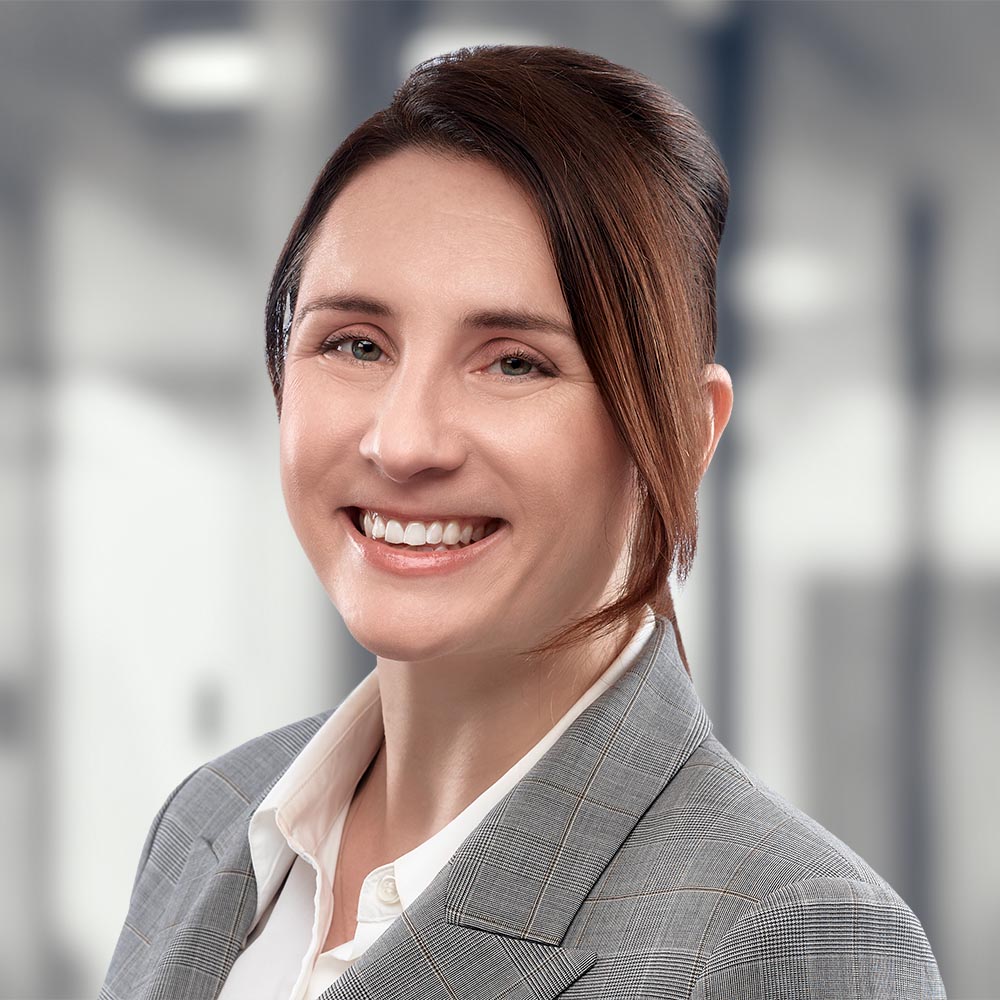 Nicole Mantini
 Andrew M. Shaughnessy
John Cheek, président, IPO

Jessica Landacre, directrice générale, IPO
Patenter l’absurde est la série trimestrielle de Torys consacrée à tous les aspects du droit des brevets. Découvrez les prochaines séances sur torys.com/webinars.,Patenter l’absurde est la série trimestrielle de Torys consacrée à tous les aspects du droit des brevets. Découvrez les prochaines séances sur torys.com/webinars.
Dans ce balado, extrait d’un récent webinaire, Nicole Mantini et Andrew Shaughnessy s’entretiennent avec John Cheek, président de l’IPO, et Jessica Landacre, directrice générale de l’IPO, à l’approche de l’assemblée générale annuelle 2026 de l’IPO, pour discuter de l’importance croissante de la réglementation, de la formation et de la représentation en matière de propriété intellectuelle, et pour partager leurs réflexions sur les différentes visions de la politique de propriété intellectuelle au Canada, aux États-Unis et à l’étranger, qui pourraient façonner l’écosystème de l’innovation.
Niki Mantini (00:00:04)
Good morning and welcome to our 20th episode of Patently Absurd. I'm Niki Mantini.
Andy Shaughnessy (00:05:16)
And I'm Andy Shaughnessy.
Niki Mantini (00:06:38)
And we have a very special episode this morning. We are breaking away from our usual format.
Andy Shaughnessy (00:12:13)
And, Niki, why don't you remind our viewers of what our regular format looks like?
Niki Mantini (00:16:03)
Sure. Great idea. So, in this series, we normally like to break things down into three main segments: Something Old, Something New, and Something Borrowed. First in “Something Old,” we typically will do a deep dive on an established feature or bug of Canadian patent law, either by way of refresher or to try to unpack why things are the way they are, and whether they might be ripe for a change.
Second, in “Something New,” we usually look at an emerging topic of interest or break down a recent trend that we've been seeing, or a court decision, and we talk about where we see things headed. We like to keep you current and up to date, if we can.
Third, in our “Something Borrowed” segment, we usually look to bring in the perspectives of outside speakers or others, and we often feature guests or “borrow” a hot topic from another jurisdiction.
But today, we are doubling down on our Something Borrowed segment, and we are very lucky to have with us today not one, but two members of the senior leadership of the Intellectual Property Owners Association, or colloquially, the IPO.
Andy Shaughnessy (01:18:07)
Yes, we're very lucky to be joined this morning with IPO President John Cheek and IPO Executive Director Jessica Landacre. And as our listeners may or may not know, the IPO's 2026 Annual Meeting, which is one of the seminal events on the intellectual property calendar if you're in the world of IP, that's going to be held in our home city of Toronto in September.
So we felt that this would, was going to be a fantastic opportunity to talk more about what the IPO is, what the IPO does, and highlight this great meeting to be held in our great city. And we might tuck in a few conversations about the role of IP beyond the wild and wacky world of patents, both here, in the United States, and worldwide.
Niki Mantini (02:01:21)
And thanks, everyone, to our viewers this morning. We know that a lot of you are excited about today's topic as we've received lots of feedback and questions. So, thank you for that. And just as a reminder, if we use your comment or question on air, we will send you one of our patented Patently Absurd cups. Don't have one on the table this morning, but you've seen them before, they are a hot commodity. And thanks to those who have reached out to me and Andy in advance, either directly or via LinkedIn. We'll be sending each of you a cup.
Andy Shaughnessy (02:29:27)
Yeah. You know, it's—as you know, most of you know, I'm pretty noisy on LinkedIn these days. And one of you reached out via LinkedIn, so that's why we've added that tagline. And you know who you are and your cup is on its way.
And we want to get more cups into more hands. So please send us your questions and your cards and your letters and your comments, and also give us ideas for future shows, because that'll help us drive the future direction of this episode series.
Niki Mantini (02:54:06)
Absolutely. I mean, we're doing this for our viewers, so it helps us to shape that direction: to know what you want to hear about. And we will try to accommodate that.
Andy Shaughnessy (03:02:01)
In this little show now in its fifth season. Who knew? “Sound of trumpet flourish,” I have in my notes.
[Laughter]
Niki Mantini (03:08:19)
Well, without further ado this morning, why don't we bring on John and Jessica and get into it?
Andy Shaughnessy (03:13:02)
So, John Cheek and Jessica Landacre, they’re joining us virtually from their offices in the United States, so, we'll let you, John and Jessica, at the right time, tell us where you are.
John is the Vice President, Intellectual Property and Legal Operations at Tenneco and President, Intellectual Property Owners Association, or IPO. John has more than 30 years’ experience in technology, in branding and IP across all levels of patent procurement, patent enforcement, trademark law, IP transactional, and corporate governance. Everything. And prior to Tenneco—he's coming up on ten years at Tenneco—he was at Caterpillar for almost 20 years. Or I might have that wrong, it may even be 30. He's a math and physics degree from Wabash College in the University of Dayton. He studied mechanical engineering at Bradley University and has a JD from the University of Dayton School of Law and an MBA from the University of Chicago Booth School of Business. My imposter syndrome is in full bloom, John.
He's been a member of the IPO since 1998. Or maybe it was 1997. Who's counting? It was a long time ago, and he served on the Board of Directors of the IPO since 2018. And while at the IPO, he's worked on the IPO’s amicus brief committee, the executive committee, compensation committee, audit and nominations committees, as well as serving on the IPO Education Foundation Board of Directors. And we're going to hear more about that.
Little-known fact that we have in common, John—and this may be it—I own a trumpet. John is a jazz trumpet player, lightyears apart on that spectrum, I might add. But there you have it.
Welcome, John.
John Cheek (04:40:11)
Thank you.
Niki Mantini (04:40:52)
We're so happy to have you with us. And you as well, Jessica. So, Jessica Landacre is the Executive Director of the IPO: a position she’s held for almost seven years. But her tenure with the IPO goes back at least 30 years before that, when she was the organization's deputy executive director. Jessica has a Bachelor of Science in International Relations from Northern Arizona University—Go you Lumberjacks!—and an MBA from the George Washington University School of Business. In addition to her role as a senior statesperson in the world of IP, Jessica is also a frequent speaker and role model on advancing women in the world of IP.
Welcome, Jessica. We're really thrilled to have you as well.
Jessica Landacre (05:18:16)
Thank you so much. So happy to be here.
Andy Shaughnessy (05:20:31)
Well, John and Jessica, we're happy that you're here as well. So pleased to have you here this morning. Thank you for accepting our invitation to come and talk about the IPO. As you know, we at Torys have been members of the IPO for a quarter of a century. We serve on your committees and have served on your committees. We've attended many of your conferences, and we've even had the benefit of—or the privilege of acting for you in some amicus cases up here. And so, thanks for all of that and—and for the benefit of our listeners, why don't we just start with a basic question, and I'll direct this to you, Jessica. What is the IPO?
Jessica Landacre (05:52:22)
Well, first, Andy, let me extend our thanks to you and to Torys for your outstanding membership over these many years.
So, what is IPO? The short answer is we are the preeminent trade association for IP professionals. We advocate for effective and affordable intellectual property rights and provide networking, professional, and business development opportunities, as well as educational resources.
The longer version of the story is that IPO is an international trade association, now over 50 years old, representing a big tent of diverse companies, law firms, service providers, and individuals in nearly all industries and fields of technology. With over 135 companies spanning over 40 countries and a board comprising 50 of some of the largest companies in the world, we are the voice of owners.
In addition to serving as a community for IP professionals, we're an advocacy organization, so we lobby on behalf of our members’ interests for effective and affordable IP rights. We represent their interests on legislative and international issues. We analyze current IP issues. We provide information and educational services. We support diversity, equity, and inclusion in the profession, and we disseminate information to the public about the value of IP.
I guess I'll round out my introduction by sharing that our vision is the global acceleration of creativity, investment, and innovation necessary to improve lives. And John, I guess it's appropriate to invite you to share what, as a longtime member and leader of the organization, what you see as the value proposition of IPO.
John Cheek (07:39:44)
Great. Thanks, Jessica, I think you captured it, it very well. But, you know, from a practitioner’s perspective, from an IP owner's perspective, the value that IPO offers is, is nothing less than extraordinary, in my, in my view. And of course, I'm biased with, you know, now coming up towards 30 years of involvement with the organization.
And, and it spans from our policy work, right, if you are a, a company that, that has concerns about what's happening in the IP policy world, or if you're a law firm practitioner who has clients who care—or at least should care, you know—IPO is a great resource and a way to stay involved. Get your hands on the wheel a bit through a trade association and help us shape policy that supports all these initiatives that Jessica mentioned.
Professionally, it is also an, a wonderful opportunity to, to meet and collaborate and work with, with other professionals on initiatives that are important to the organization and its members through the committees and other activities we have. And I, you know, I suppose, happy to say, and in some ways embarrassed to say, many if not most of my closest friends are people that I have made connections with through IPO over the years, right? It's a great professional opportunity, great social interactions with colleagues.
And then the, the network that, that we build is really valuable to our members. Knowing people around the world from all the, the companies and law firms that that participate, having them, you know, for a—for us old timers, in your Rolodex, so to speak—and to be able to pick up the, the phone or drop an email to, to someone and say, “Hey, what, what are you doing on this issue? What do you think about, about this?”
Or—even maybe more helpful from time to time—when we run into each other on opposite sides of a dispute, right? We have that professional, cordial relationship. We can often get things done for our companies and our clients in a way that really avoids some of the contentious issues out there, or at least, you know, makes it less contentious because it's not, you know, it's not personal, right? It's business.
Niki Mantini (10:09:09)
And we don't want to be accused of burying the lede too, too late in the show, I understand one of the, one of the upcoming initiatives of the IPO is obviously the annual meeting that we've alluded to and that you'll be coming to Canada in September. And I, and I know that IPO has a very active and engaged Canadian practice committee. What—we're very excited that you're hosting the annual meeting in our fair city. It's a big year for Toronto hosting things. Why Toronto?
Jessica Landacre (10:38:21)
Well, Niki, we have actually many members who are either located in or do business in Canada. And this isn’t our first time across the border. In 2014, we held our annual meeting in Vancouver, and it was terrifically successful. And so, honestly, it was time to come back.
The annual meeting is our flagship event. We move it across North America so that we can be around our members and make the meeting accessible to our members. Last year, we were in San Diego, the year before that, Chicago, and we haven't been to Toronto yet. And we know it's a city that is a major hub for innovation, technology, and international business. Practically. It's also accessible from, you know, domestic and international flights, right? And that is important when you're planning for association businesses, you want to make it easy for people in the United States, across Canada, Europe, and Asia.
So that's something we look into. We're just very excited to be coming north.
Niki Mantini (11:39:37)
And, you know, a favorable exchange rate most of the time too doesn't hurt.
[Laughter]
Jessica Landacre (11:44:36)
So right, an exchange rate that is, that is good is, is also helpful. That's, that's, only—that's useful to IPO in running our business, it's also useful to our members in their businesses. But, you know, in addition to that, Toronto has a lot to offer our members. And we genuinely believe that the combination of the educational programs we put together, along with what the City of Toronto has to offer our members and non-members alike, will be well served by registering to attend the annual meeting.
I also understand from my team that we will get to have a very special evening skyline in Toronto on Sunday night. Is that, is that right?
Andy Shaughnessy (12:29:03)
On a particular Sunday night, indeed, if the weather permits, you will from our boardroom be able to see the CN Tower lit up at night, as well as the, um, some of our waterfront. So, we're very proud to be hosting the, the directors and VIP dinner on Sunday night, and then we're going to have a reception at Torys afterwards. So, keep your cards and letters coming and we'll see you there, as you can see, the tower. And that will obviously give the members an opportunity to meet you as well, John and Jessica, in a relaxed setting.
But back to the point. It seems you picked Toronto because of, well, Toronto. So, in these interesting times in which we live, not a political thing.
Jessica Landacre (13:05:20)
So, we are headquartered, IPO is headquartered, in Washington, DC, the seat of, of power for the US government. And we are often called upon to comment on IP laws both in the United States and, and in other countries. But we are not political in the traditional sense. We are agnostic to the political party in power and, and the administration in power, for that matter. In fact, we work with the administration when we can.
IPO is interested in advocating for what is best for the IP system and what is best for our members’ businesses. And we, we plan our meetings many years before any political party is even in power, which is a great opportunity for me to give a shout-out to the professional staff that really does a superb job of planning the high-quality meeting we hope you will find. But ultimately, we're interested in promoting a system that promotes investment into innovation and the development of new technologies. It has nothing to do with politics.
I will say that Toronto was chosen, as it ought to have been, for all it has to offer: the vibrant culture and businesses. That, in combination with the program we've put on, I think this is a great opportunity to say that our committees contribute to the program. We received about 80 proposals from our committees. We were only able to accept 30. So the, the meeting runs from Sunday to Tuesday, and we've packed a ton in during that time. So, we hope that it'll, it'll prove to be useful to those who attend. In any event, Andy, we come to Toronto because some of our best members are located there.
Andy Shaughnessy (14:48:23)
Well, it's kind of you to say, but hopefully this September all of your members will be up here.
Jessica Landacre (14:52:56)
Well, that would be welcome to us.
[Laughter]
John Cheek (14:56:32)
And, you know, I would just add, I mean, we are really excited to be coming to Toronto, to be in Canada again, with our friends. There is so much going on in the world today, both here in North America, and, and across the globe. So, we're really looking for everyone coming together in Toronto and, and having both a great time, learning a lot, and leaving better equipped to go out and make IP happen in the world.
Jessica Landacre (15:27:30)
We did—I will add, we did just release our, our program. And I think that, you know, you will find that it has something for everyone. We have topics on patents, trademarks, industrial designs, trade secrets, AI, corporate IP management. We have—I'm pleased to announce we have keynote addresses by the CEO of the Canadian Intellectual Property Office, as well as a keynote address from the Director of the United States Patent and Trademark Office.
And then for fun and for networking and connections, we have a gala dinner on Monday night at Steamwhistle Brewery, I understand, located near CN Tower and the Blue Jays Stadium. That evening is always a fun one. It spills over into hospitality suites, which are sponsored by many of our members, which are even more fun. And then we ask everyone to get up early the next day and do it all over again with more educational sessions.
I should note attendees also have the opportunity to experience our IP Expo Hall, featuring innovative products and services by our service provider members.
Again, I want to thank Torys for, for sponsoring a reception on Sunday night. We really appreciate that as well.
John Cheek (16:42:26)
Yeah, and Jessica, maybe I'll add just a couple of, of, of thoughts. First, again, thank you to Torys for being a great supporter of IPO. Looking forward to, to the reception for sure.
You know it's, it's my privilege as president to make the final judgment on what those programs are. The staff makes it easy for me because they bring all the best ones to the top. But with 80 to choose from, it is really hard.
So, we'll get a lot of great content, but we also have all these other programs on the, in the queue, I guess, so to speak, for our IP chat channel, webinars for our spring summit meeting, which will come up again next March. So, a lot of great topics to, to, to pack into those two and a half days and a couple of great keynotes as well.
Niki Mantini (17:41:34)
That's great. And it's a great segue because, you know, our listeners and viewers are always sending us questions and suggestions about the topics that they'd like to hear about. So, are there any particular hot-topic issues that we can expect to hear about in the sessions this year? A little preview of the program, maybe?
Jessica Landacre (18:00:28)
Well, I could, I could share a few of them if you'd like. Although as I said: three days, we've, we've got, we've got plenty more than I can share here. So, we'd love for you to go online and see the full program.
But we have “Global Enablement and Disclosure Strategies for AI-related Patent Applications.” As I said, our committees come together to put these programs forth. And, and so, this is a collaborative effort of our AI data and new emerging technologies and some of our regional practice committees.
We have “Inducement and Indirect Infringement: Navigating Launch Risk Across Regulated and Technology-driven Industries.” That's a collaboration of our pharmaceutical and biotech issue, Asian practice, European practice, and Canadian practice committees.
We have “Human Judgment: The Ethics of Practicing IP Law in the Age of AI.” That's a collaboration of our DEI, AI and data and new emerging technologies committee, and then our international trademark law and practice and industrial designs committees have come together for a session called “All About the Looks: Unconventional Trademarks, Trade Dress, Design Patents, and Industrial Designs.”
I should note we also have workshops, which are created to be more interactive. We have one organized by our women in IP, wellness, DEI committees as well as leadership.
So, we're working on additional topics. And you know, again we hope you come to Toronto to, to take advantage of these.
John, anything you'd like to add to these?
John Cheek (19:38:37)
Yeah, sure. So, while we don't have a theme for our, our meetings, it's hard to say that AI is not a theme for everything we do nowadays. So, it will be throughout the program. A lot of great topics and not just AI in patents, AI in other aspects of IP practice.
And I'm excited that we have a real mix, right? We're here on a show that's called Patently Absurd. But you know, we are not just a patent organization, IPO, we'll have great programing on trademarks and industrial designs and copyrights and a lot of other professional areas of development that people should be interested in.
We've had great success with our mini track on industrial design, protection, and weaving, and the interaction of that particular type of protection with the, the others that people find really interesting.
And I would also make a plug. We will have a—it's invitation only, but for chief IP counsel that are in attendance, we will have a breakfast on Tuesday morning which will give people in those roles a chance to meet peers and possibly get some off-the-record discussion with—if we can get any of our VIP attendees to join us, we sometimes get a great off-the-record discussion with them.
That is not something you get every day.
Andy Shaughnessy (21:10:31)
Well that's great. And you know, you mentioned the fact that you're, you're heavily involved in, in patents and trademark and copyright and policy. You know, one of the things we've seen on the Canadian practice committee is it can—the issues can tend to, to sort of sometimes coalesce around pharma. And so, I wondered if you just had any specific comments about pharma and the breadth of the organization beyond pharma?
John Cheek (21:33:06)
Sure. Yeah, I mean, certainly our, our membership includes a large number of pharmaceutical and biotech companies, but it is, as Jessica mentioned at the top, a big tent. And so we have, you know, organizations from, from those industries. We have industrial manufacturing companies like, like mine, we have technology companies.
And even within those categories, our technology companies are not, they're not all the same, right? They are software companies. They are hardware companies. They are AI-focused companies. So pharmaceutical is a big part of it. We know that that's a hot topic in, in IP policy around the world. And we are kind of working collaboratively, you know.
So for me, not as a pharmaceutical expert, I'm becoming one in my role and helping advocate for the interests of our, our members, which, you know, the interests are generally aligned across all the different member groups. Where we can't come together with an alignment, we still try to act and help stakeholders understand the important issues.
You know, there are a lot of things that, that are in the news today around our pharmaceutical patent issues in particular. You know, drug pricing is certainly an issue here in the United States. And we try to make sure we're getting information out to our government and others about what's really happening with IP in the pharma business, making sure they understand the implications of the things they are doing, you know, whether it's to support their initiatives on tackling some drug, drug pricing issues, it takes a lot of work to do that. And it's not just patents, right? It's data protection. It's everything nuts, you know, soup to nuts on IP that's important across all of our stakeholder groups.
Niki Mantini (23:39:44)
And that maybe leads us to a great topic segue again, which is, you know, aside from hosting an excellent annual meeting and fun activities and informative sessions, can you talk a little bit more about some of the major initiatives and achievements of the IPO as an organization over the past year, and then looking forward, what are some of the key goals for, for 2026 and 2027?
Jessica Landacre (24:05:28)
Well sure, Niki, thanks for that question. So IPO is guided by a strategic plan. We handle that in three-year segments. So we're currently in the final year of our current three-year strategic plan. The priorities of that plan included advocacy and education on AI and harmonization of IP laws; promoting the value of IP; fostering diverse engagement on policy issues; and effective governance—everybody needs effective governance.
[Laughter]
So, you know, I'm proud to say the—over the three years, the number of accomplishments are too many to, to share here, but just to name a few, we have published countless comments on, to government agencies both in the US and around the world. We developed an AI patenting handbook that was the work product of one of our outstanding committees. We created an AI and copyright task force because that is the issue of the day and tomorrow. We developed board principles on patent subject matter eligibility, and we have worked, discussed and worked with various harmonization issues with the top patent offices in the world. We've engaged with US lawmakers on fee diversion and the patent backlog, and the list goes on and on.
So that was the last three years. We're now working on our strategic plan for ‘27 through ‘29. The board just convened earlier this spring to discuss what that plan should look like. The discussion was guided by input from our members through survey and focus groups. Looking at the question of, “What should IPO focus on to have the greatest impact in the next three years?”
So, the board has not adopted that plan. It will do so: it's still working on, on refining that direction. It will do so later this year, we will publish it and it will be made available to members and the public. I will say—spoiler alert—it will include AI, no doubt.
[Laughter]
I expect it will include AI both on the policy side, as well as developing resources for our members to support their businesses.
Andy Shaughnessy (26:16:25)
And Jessica, does Canada figure in any of that?
Jessica Landacre (26:18:44)
Well, we have an active Canadian practice committee, and that's—they certainly keep us abreast of the issues in Canada. You may be interested to know we have almost 400 members who are located in Canada, and many more who do business in Canada. So, you know, certainly a strong constituent in IPO.
We make a special 301 submission every year to USTR, and that includes addressing where we feel the IP laws in Canada could be improved, but we don't single out Canada. We provide comments on a number of countries, but where we see topics that can be raised—such as lack of adequate trade secret protection, issues with patent enforcement, the opportunity to enhance border protection, and measures to stop counterfeiting—we want to participate in these discussions. We're looking for better outcomes for our members and the IP system as a whole, so that we can have a positive impact on the innovation ecosystem.
Niki Mantini (27:19:43)
And we, we all thank you for that. And picking up on that point and coming back to the Canadian practice committee, I understand that one of the IPO members, one of your members, Henry Hadad of Bristol-Myers, I believe, recently spoke to the Canadian practice committee, and he has commented that he has seen, or he is seeing, a worrying trend in IP erosion, sort of, around the world in the recent years.
Would you sort of agree with that generally? Maybe, John, I'll throw that to you with your experience on, on the owner’s side as well.
John Cheek (27:53:55)
Sure. Yeah. That's great. And you know, for people who know Henry, you know, he's a star in our profession. Past president of IPO and, and has made so many great contributions to our organization and to, to IP around the world.
You know, I would say, yes, generally, that has been a topic of discussion for us about the, the erosion of the role of IP, and the view of IP in some, some segments.
So, you know, we all know that—or should know that, you know—IP is a, really a driver of investment. People are looking to, to have those protections in the places they invest their money, because that tends to, to provide the biggest returns. And as we look around and have seen over the years questions around whether IP is really driving innovation, often those questions are in response to peoples’ perception of what's happening in the marketplace, and, you know, what they would like to see happening in areas like pharmaceuticals [inaudible] comes from, you know, we have seen things that have been worrying some over the years.
We've seen trends turning the other direction now. Certainly, right, if you think of what is happening in the United States with, with PTAB, right, we, we certainly are in a different place today than we were just a couple of years ago on, on what's happening on post-grant proceedings on patents.
So certainly we, you know, we, we have taken note of that, that's, that's why we continue to try to get the message out. We use our IPO Education Foundation to get the message out about the role of IP in kind of lifting up lives for everyone. And we're trying to make sure everyone has an understanding of IP: how it works, the trade-offs, how it drives investment, and, and to Jessica’s comment before, how we just anticipate IP can, can really drive improvement in the lives of everyone around the world.
Andy Shaughnessy (30:10:18)
And if I can just borrow from Henry Hadad’s statement again, I think he said at one point, “Innovation requires certainty, not whiplash.” And I think that requires an understanding of the policy in the right light. So, so, Jessica, maybe I'll direct this question to you. How does the IPO go about doing that, making sure that the right light is shone on the right issues?
Jessica Landacre (30:28:58)
We listen to our members. We have a rich tapestry of committees, and, truly we say it often, the committees are the backbone of IPO. Issues percolate up from committees to the board of directors, and if appropriate, the board takes action on those, on those issues. We also sponsor amicus briefs in important cases. And that extends to Canada. We have—again, I need to make a shout out to the professional staff, we have an outstanding team who guides the policy work and works with our committees and our board of directors to do that.
We, we also recognize the need for, for education. IP literacy is essential for economic competitiveness.
Andy Shaughnessy (31:12:53)
To our viewers, send me an email if you want access to any of these things that we're talking about. But I also want to make mention of an article that was published in the National Post on March 9th of 2026. This was an article written by Louis Carbonneau entitled Canadian Entrepreneurs Keep Bringing Knives to an Intellectual Property Gunfight. Those are strong words. And do you agree, John? And what do you think the author was getting at there?
John Cheek (31:39:10)
Yeah, I think Louis’s article was certainly, created a lot of thoughts for a lot of us when we, when we read it. You know, I think he's getting at a few things, certainly varies and is, is, I think, we'll discuss, and Jessica alluded to, there are certainly some things in Canada that, that we think could be an improvement.
But I thought one of the, the, the key points in in Louis’s article was this notion of education. Right. And how do we, how do we get entrepreneurs among our other stakeholder groups to have a better understanding of IP, bring it into their business proposals so that they can, can, kind of, get the capital investment that, that they need.
And Louis had the observation that it seemed like Canadian entrepreneurs weren't coming to the table with the same level of understanding of IP and its role in entrepreneurship as US entrepreneurs. And, and I think that's, that's probably consistent a bit with some of my experience as well. Education at the—or, kind of, discussions of IP in higher education at Canadian universities, probably lagging a bit with what we're seeing in the US.
And it's been my privilege, for example, to, to lecture on IP strategy at many places, including some of the top universities in the United States, where IP is a big part of, of the MBA programs at some of our business schools, for example.
Andy Shaughnessy (33:13:05)
John, if I could just jump in with a follow up on your question. Education is important and the role of IP is important, and are those comments directed to sort of the IP community, community, to the entrepreneurs? To the investment community, the people that are taking risks and investing in this? Or perhaps to both?
John Cheek (33:30:13)
I would say both. I think it's, it's really, you know, the two sides of that coin—the entrepreneurs and the investors—should both be looking at this. Right. It's really an opportunity for everyone to understand how IP can play a role in the success of both the entrepreneurs and the, the investors. We think the investors should know, right, this is what they, this is what they do. And they should come to the table well equipped. So, the more we can educate people who are going to be future entrepreneurs, the more we can position them to make better pitches and be more successful with the investments that come to them.
Niki Mantini (34:11:49)
It reminds me a little bit, or it alludes to one of the lines in that article we've just been discussing, which notes that, like planting trees, the best time to fix the problems with the IP system was 30 years ago. But the second-best time is, is now. So, you know, these investments that it sounds like IPO is making in educating the future generation sort of goes to both of those points, I think.
John Cheek (34:35:53)
Yeah. And I think that's a great analogy. You know, he talks about, in the article, you know, it takes 30 years to plant a tree. I was reflecting on that. But, you know, it takes a lot less time to plant a tree, but it takes a long time to grow a tree into one of these beautiful Canadian maples that we'll be seeing in, in the fall. And that's, you know, the advocacy and the education that IPO, and I know, is also involved in getting the word out. But not only get those trees planted, but nurture them and be there to help them grow to the point that they can achieve.
Niki Mantini (35:18:50)
Coming back to the topic that you alluded to of the Canadian system—and maybe moving into a little bit of a topic of, of the wish list for Canada—I understand also another presentation to the Canadian practice committee by Rodney Evely had diagnosed Canada specifically with a problem of exporting the wrong thing. And he noted that, you know, Canada dominates—and this is one of the things I think Jessica had touched on when talking about Toronto as a location—we dominate research and education and training, but we seem to fail to reap the commercial benefits of that knowledge, which largely gets exported from our borders and largely into the US.
What do you think about that diagnosis, John, and maybe that can lead us into a bit of a conversation about how Canada could maybe do better from an IP commercialization perspective?
John Cheek (36:06:42)
Yeah, I think that's, that was a fair comment. There's a lot that has to happen in the innovation lifecycle with IP, and getting part of it right is a good start. But getting it done across the board, so capital goes to the right places and people can earn the, the rewards that that they should, is critical. You know, certainly, you know, if we think about what, you know, how we make choices, for example, in our company, you know, we know that market size drives a lot of where investment happens.
And, and for better or worse, the US is a, a big market. And, you know, from a cost to benefit standpoint, it's easy to focus on only in the US. But I think as we step back and we think about growth and we think about global business and in the way, you know, business can grow or should be able to grow in Canada, right, making sure we, we really, kind of, get people thinking about both, you know, how to make the investments, where to make the investments and how to make them grow at home for the entrepreneurs is, is really a great one.
So it's, it's something we are up for. It's something that industry should be, be pushing and making sure that, that we get everyone educated about how to, to make the right plays in these investments.
Andy Shaughnessy (37:31:01)
And John, we've just had one of our viewers just light up in the comments with a, with a thought, and I'll just share it with you and then we'll reflect on it. “There is a need at the university and college level for IP to be introduced and integrated into the academic programs in Canada and Ontario in particular.”
So obviously you can't—well, you may be able to speak to Canada and Ontario, but I think this goes to your point, right? And I know Jessica is going to come back to this at the end.
John Cheek (37:55:55)
Yeah, I think that, I think that's right. I mean, I have a couple of examples from, from my past and they kind of illustrate that we need people to be the impetus for this. But, you know, you mentioned that I spent a large portion of my career with Caterpillar, that was mainly at the headquarters in what was at the time in Peoria, Illinois, and a bit of time over in Europe.
And we were fortunate to have a local university there in, in central Illinois that was willing to work with us. And we launched an IP mini-program for students at that local university: not just for engineers, but anybody in their programs that wanted to learn in the, you know…in the personal front, you know, at Northwestern University of Chicago, I've watched the lecture there with one of their leading professors who has a whole program on intellectual property that is really popular with the MBA students at, at, you know, that top-five business school.
So, I think there's definitely a need for it. We need to get it into the curriculum, talk about it any chance we get so people come out of their education more conversant with the issues and, and ready to, to work with all of us as we try to support them in making their businesses successful.
Andy Shaughnessy (39:25:06)
Yeah. And so—and thank you to the viewer for your comment, you will be getting one of our Patently Absurd cups, which you will relish and cherish, no doubt.
John, this conversation has been diagnostic. You know, what's the role of IP? Where's, perhaps, Canada lagging all the rest of the stuff? Let me just change topics slightly and just ask you the question from your perspective: what is the US now pursuing in terms of some of its IP strategies that perhaps Canada may not be?
John Cheek (39:53:26)
There's a lot of things that are similar between systems around the world, and certainly between here in the US and in Canada, but there are certainly some things that, that we see in the US that are distinctive compared to our experiences in Canada.
Some of that has to do with the approach to patent enforcement at the border, right? The US has a very strong IPC procedure that allows goods to be stopped at the border based on patent infringement. It's something that, that people take advantage of to, to a great extent. You know, introducing some, you know, specialized patent alternatives, allowing for provisional patent applications, you know, having a good grace period for patent filings is, is, is key. And certainly, you know, we know Canada has that as well.
You know, and then I think looking at where patents are coming from right? You know in the US, you look at our top filers from the United States and it's dominated by private companies. Not that we don't have universities and research organizations doing a lot of patenting, but if you look at what's happening in Canada, it tends to be a lot more universities and research organizations at the top. So that gap between commercial business and in discovery businesses is certainly a different feature.
And then love it or hate it, we do have, you know, post-grant proceedings that allow different avenues to attack patent that are of a concern for your business that, that don't require you to go into an expensive federal court proceeding. Now, I think we all, you know, look back on the American Invents Act back in 2011, and we thought both grant proceedings would be fast and inexpensive. They're still pretty fast—maybe not as fast as, as they were envisioned to be—but they are not inexpensive. But, you know, there are certainly some, some things that have been built into the US system that that, you know, are a place that we would, would think other countries, including Canada, could look to, to make improvements that fit the objectives for the company.
Niki Mantini (42:17:29)
Turning maybe over to you, Jessica, one of the other things the commentators have, have suggested when we're talking about Canada specifically, is that it needs to look to diversify its IP trading partners, and that should be a focus. Obviously, IPO, as you've mentioned, is a US-based organization but is globally minded. So how does the organization facilitate that kind of international bridge-building?
Jessica Landacre (42:42:21)
Yeah. Thank you for that question, Niki. For starters, we have regional committees. So, we of course have our fantastic Canadian practice committee. We have a European practice committee, a Latin American practice committee, an Asian practice committee. And those provide us opportunities as a, as a first step in building bridges. Examples, our European practice committee holds a one-day conference every year in a country in Europe. Our Asian Practice Committee holds innovation dialogues. We had to go virtual after COVID for a number of years, but I'm so delighted to say that we were back to an in-person innovation dialogue again this year. The Asian Practice Committee did a tremendous job planning an agenda. They had meetings with the Japanese Patent Office, the IP High Court of Japan, Japan Intellectual Property Association.
We also from a policy side, we participate in IP Five Industry in Industry Trilateral each year, representing US industry perspectives before some of the world's largest patent offices. John led the IPO delegation this year at the IP Five Industry meeting. And, and I'm privileged to also participate in those meetings as well.
John Cheek (44:00:47)
Yeah. And Jessica, maybe just quickly I'll share. I mean, the IP Five Industry meeting with the IP Five heads was, I think, a great success as it usually is. We talked about a lot of great topics. You know, one key initiative that we've been focusing on is a global assignment process for updating assignment records for patents and hopefully for trademarks. We talked about a lot of AI and AI use within the offices and within industry. We had a great celebration of the 20th anniversary of Patent Prosecution Highway, and we were fortunate to have some insight shared by one of the senior folks at the Canadian Intellectual Property Office about Patent Prosecution Highway. So, there's a lot of great things happening on the international stage.
And, you know, we really look forward to IPO and its members continuing to participate.
Andy Shaughnessy (44:57:44)
That's great. You know, from time to time, we on the Canadian practice committee talk about some of the frustrations that the international community has with some of our ways of doing things, for lack of a better word. And, John, are you able to speak freely about some of the frustrations that the IP owners may have with our system?
John Cheek (45:14:55)
Sure. Right. You know, I think everybody's trying to make things better, but certainly there are areas that we hear voices of frustration. There's of course, a lot of, of discussion about pharmaceutical pricing and the way IP policies, something should be adapted to, to address concerns about pricing. And that's certainly how that's been approached in Canada is certainly an area that that we have seen feedback from our members on.
Compliance with international treaties is a topic as well, right? So it can take Canada some, some time to comply. And then, you know, looking at implementation, we think there are areas for improvement. Data protection is, is certainly one area where we think a lot of countries could improve, including the US but also Canada.
And you know, we couldn't have a discussion without talking about patentable subject matter. And, you know, the role of computer-implemented inventions and how those are being addressed by the offices. And so, I think there are some opportunities to make some progress and improvements in that area within the practices in Canada.
Andy Shaughnessy (46:30:19)
So I was going to ask a question about—obviously, quip about the differences between judge and juries in the States, especially eastern Texas and perhaps ask a wish list. But I think we'll skip ahead now because, Niki, I think you had a question that's a bit broader and perhaps a little bit more of interest to our viewers.
Niki Mantini (46:45:16)
Yeah, well, I thought maybe we could turn back and talk a little bit about the education comments that we've been discussing in more detail. And, you know, I think there's some perception that the narrative around IP—and we've been talking a little bit about this—has been changing amongst the public that it is maybe more symbolic with big industry, big business and not so applicable to the little guy, or maybe more neutrally for people, just something that the average person shouldn't really or doesn't really have to think about.
And so maybe I'll turn it to Jessica, you know, what do you think about that? And is that something that's on IPO’s mind as well?
Jessica Landacre (47:21:26)
It is absolutely on IPO's mind. Three years ago, the IPO Board of Directors identified promoting the value of IP as one of its strategic priorities because there was concern about the narrative that existed around IP and the perception by the general population was not favourable. IPO referred that task to our affiliated education foundation.
The IPO Education Foundation launched a public relations campaign called IP is Everywhere. We leveraged major cultural events like the Super Bowl, the New York Toy Fair, largely using social media to get the word out about IP. The Foundation also launched IP Buddy, which is an AI-powered tool that makes information about IP accessible, and they created a curriculum called IP Made Easy. This is for educators to use with students K through 12 to create a foundation of knowledge around intellectual property.
I'll stop—or I'll conclude by saying, you know, it is a big undertaking and feels like sometimes we're boiling the ocean, but we're making a valiant effort to change the hearts and minds of the next generation about IP.
Niki Mantini (48:32:22)
And John, what about you? Any thoughts on the public perception of IP and what the average person might think about it?
John Cheek (48:40:38)
Yeah, I think, I think it's fair that public perception is, is maybe different now. Whereas [inaudible] in some areas to be different now than it than it used to be. Right? I think some of that's driven by just what's happening in the world around us. Technology is making content more available, is making goods more available, and people want things now and they want them cheap and they want them, you know, when they want them and where they want them.
And they don't—you hear, at least anecdotally, of people, you know, that, they would say, “Well, I don't, I don't want anything to get in the way of that,” and IP can get in the way of that. But I think you also find that when—at least I find when I talk to people—that they do recognize that the role of trademarks is important to them, right? They want things, they want them now, but they want things that that are good, high quality, that are what they thought they were, they were getting.
It's a little more difficult when it comes to patents, I think, right? People understand that less, you know, they hear the, the stories that are out and about around pharmaceutical patents and patent pickets and drug pricing and don't necessarily have the full story about the economics of how that works and what it takes to bring a product to market in the role of, of that exclusivity, right, that a patent brings, the getting the money to make the products happen. Right? And so that's why we continue to push the education narrative, you know, for everyone from school-age kids, but also to, to government, right. We have a lot of great, talented, brilliant people in government around the world, but they don't understand IP the way that that we would like them to.
So we have a role to educate across all levels about how IP makes the system work and how it makes, ultimately, makes lives better.
Niki Mantini (50:39:57)
Very well said, and I agree. I want to switch, shift to a topic that I never really tire of talking about. Obviously one that's close to my own heart, which is that—the role of women in the world of IP. And I know Jessica, that's also close to your heart, and you've been involved in IP policy for over 30 years.
Have you seen a change in the IP landscape from a, from a gender and sex perspective?
Jessica Landacre (51:05:03)
Yes, and I'm delighted to say yes. 30 years ago when I started at IPO, well, IPO was much smaller then. Amazingly, we've grown by 900% since I started, but we were far more homogenous at that time, both in gender and in race. And we've made progress. Some of it happened organically through changes in the profession, but some of it was a result of commitment by the Board of Directors.
For example, 30 years ago we had one woman serving on the Board of Directors. More recently—it was about six years ago—we had our first woman elected to serve as president of the association. Unfortunately, there's not gender parity yet, but we're committed to changing that. We created a Women in IP committee ten years ago, and that is now one of our most popular committees and a terrific community.
We have a DEI committee, a leadership committee, a wellness committee. We added a patent agents committee. Really the goal is to create a complete community. You know, I think it's important to say IPO is incorporated as a trade association, but we have evolved into a community for everyone who is interested in intellectual property rights.
I'll quickly add this year our focus is on developing the next generation of leaders. We have a campaign called Grow the Pipeline. We're encouraging our early-career members to engage with IPO through participation in committees, volunteer to speak on webinars, and we're encouraging our more experienced members to be intentional about being a mentor and sponsoring some of our early-career members.
So, we're making progress. There's more to do, but we have our stars and role models in the area.
Niki Mantini (52:51:52)
Yeah, and we have you and the IPO has you. So thank you for, for your contributions to that as well.
And John, maybe we should give you a moment to, as a member of the board to, to chime in on the diversity initiatives as well.
John Cheek (53:04:48)
Yeah. That's one of the things that, that I am definitely proud of IPO in the accomplishments and, and the gains we've made in that area. I mean, to point to, to Jessica is a great example, right? We, we were privileged to be able to, to select her for the role. And it's not, it's certainly not, you know, balanced yet even among the leadership of the trade associations, right? And so we continue to work on that. We, we focus on looking at diversity, whether it's gender diversity or otherwise. And our committee leaders, and I would, I would say—anecdotally, I haven't looked at the numbers—but certainly my experience with those committee leaders is that it feels pretty balanced. And the, you know, the committee leaders who stand out in my mind are equally if not, you know, more often, women leaders among the IPO community.
And so, we are really continuing to, to make sure we're getting everyone involved and being inclusive in that regard. And at the board, right, the board is much more diverse than it was the first time I ever had the privilege of attending a board meeting, which is probably about 25 years ago, right? It's really amazing.
But we have a lot more to do, right? We know part of it’s the pipeline, right, to get to the point where we have, you know, balance and the people participating at leadership, we got to get people into the profession. We have to keep them. We have to encourage everyone, including women, to, to stay the course. And, and then we'll, you know, I think it's great that we can lift up people and provide the opportunities and that’s something that, again, I said, I'm really proud of what we're doing, but we know we have more to do.
Andy Shaughnessy (54:52:06)
The organization will reflect the communities that we serve and our members, and that'll be a great goal and hopefully we'll see some of that up in Toronto in September. So we've got about 40 seconds left, and I just want to say thank you again to the two of you, both of you, each of you, for coming and sharing your time with us this morning.
Niki Mantini (55:10:02)
Wonderful. Thank you.
Jessica Landacre (55:10:34)
Thank you so much.
John Cheek (55:12:51)
And just can't wait to see you in Toronto.
Andy Shaughnessy (55:15:05)
And I'll just point this out, if anybody has questions about the meeting, go to IPO.org. It's not hard to find: six little letters and a punctuation mark. That's all you need. And there you have it.
If your organization is a member of the IPO, you have access to, to the membership of the IPO. So, get involved. If you are listening today and you're on a committee and you want to be involved, speak to your committee members, because we love to hear the voices of everybody.
We'll see you all in September.
Niki Mantini (55:40:46)
Yeah, we'll see you in Toronto. And if you're looking for things to do, come, come reach out to us, and we'll send you our list.
Andy Shaughnessy (55:46:51)
Thanks, John and Jessica.
Niki Mantini (55:47:51)
Thank you so much, John and Jessica.
Jessica Landacre (55:49:31)
Thank you.
John Cheek (55:50:29)
Thank you, Andy. Thank you, Niki.
Si vous souhaitez discuter ces enjeux et ces questions, veuillez contacter les auteurs.
Cette publication se veut une discussion générale concernant certains développements juridiques ou de nature connexe et ne doit pas être interprétée comme étant un conseil juridique. Si vous avez besoin de conseils juridiques, c'est avec plaisir que nous discuterons les questions soulevées dans cette communication avec vous, dans le cadre de votre situation particulière.
Pour obtenir la permission de reproduire l’une de nos publications, veuillez communiquer avec Bryn Turnbull.
© Torys, 2026. Tous droits réservés.